
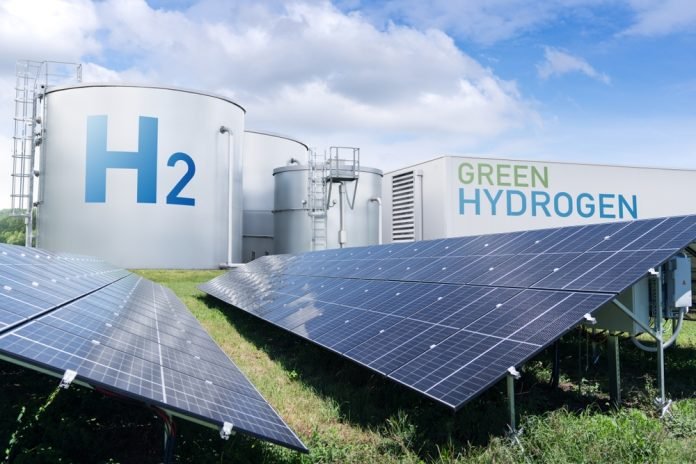
The European Commission has approved a €200m German initiative to produce and import renewable hydrogen from Canada. The deal supports Europe’s aim to strengthen renewable energy supply chains and reduce dependence on fossil fuels.
The programme, approved under EU State aid rules, will fund the manufacture of renewable fuels of non-biological origin (RFNBOs) in Canada. These fuels will then be imported to Germany and sold across the EU.
The scheme aligns with the EU Hydrogen Strategy, the Clean Industrial Deal, and the REPowerEU Plan, all of which prioritise renewable energy for Europe’s industrial and climate goals.
EU Leadership Comments
Teresa Ribera, EU Executive Vice-President for Clean, Just and Competitive Transition, said the initiative will meet growing EU demand for renewable fuels and support Canada’s renewable fuel production.
She added that the scheme builds on EU-Canada agreements, including the Comprehensive Economic Trade Agreement, Strategic Partnership on Raw Materials, and Industrial Policy Dialogue.
Ribera noted the design ensures only cost-effective projects are supported, keeping taxpayer costs low and competition fair.
A Transatlantic Boost
Germany’s €200m contribution is expected to unlock an additional €200m from Canada, creating a €400m investment package for RFNBO production.
The scheme will fund up to 300 megawatts of electrolysis capacity in Canada, boosting renewable hydrogen output. Projects will be chosen through a competitive bidding process set to conclude in 2027.
Germany estimates the programme could cut up to 2.47 million tonnes of CO₂-equivalent emissions, supporting both national and EU climate targets.
How the Double Auction System Works
The deal uses a double auction mechanism to match Canadian producers with EU buyers. Producers offering the lowest price pair with buyers offering the highest price. Public funding bridges the difference.
This ensures cost efficiency while speeding up the renewable hydrogen market. All participants must meet EU sustainability standards for renewable hydrogen.
Why Renewable Hydrogen Matters
Renewable hydrogen is key to decarbonising heavy industry, transport, and energy storage, where direct electrification is difficult.
It can replace fossil fuels in steel, chemicals, refining, fertilisers, long-haul transport, shipping, and aviation. Hydrogen also helps balance electricity grids by storing surplus renewable energy from wind and solar.
By sourcing RFNBOs from reliable partners like Canada, Europe can diversify supply, improve energy security, and accelerate large-scale hydrogen adoption from 2030.
Building on Previous Efforts
This approval follows earlier EU support for renewable hydrogen projects outside the EU in 2021 and 2024.
Together, these measures signal a strategic shift toward global cooperation in renewable energy, supporting Europe’s transition to a low-carbon economy.