
Ghana Pauses Citizenship Process for African Diaspora
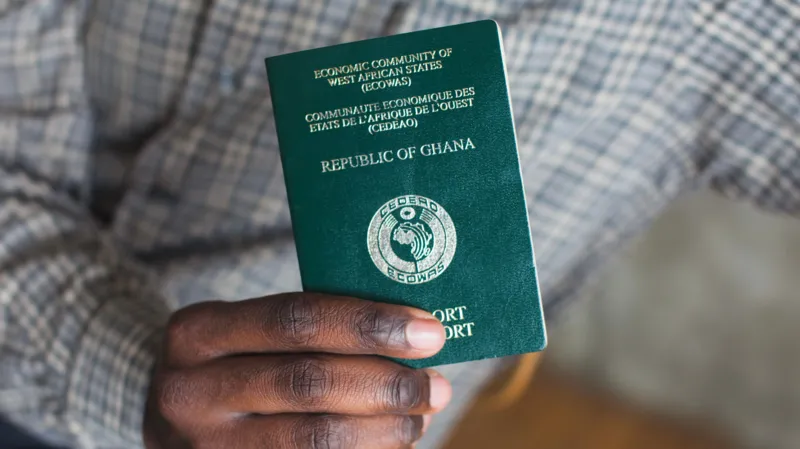
Ghana has temporarily halted citizenship applications for people of African descent to make the process simpler and more accessible. The move affects individuals who can prove their ancestors came from Africa, including descendants of those impacted by the transatlantic slave trade.
Since 2016, applicants from the African diaspora have been able to apply for Ghanaian nationality. Over 1,000 people, including African American singer-songwriter Stevie Wonder, have successfully obtained citizenship in recent years.
Challenges in the Application Process
Some applicants have expressed frustration over the complex process and high costs. Dr Erieka Bennet, ambassador for the Diaspora African Forum, highlighted difficulties with the requirement to submit DNA evidence within one week. Many applicants find the deadline unrealistic, and some question the accuracy of DNA testing.
The financial cost also poses a challenge. The initial application fee is $136 (£100), while shortlisted candidates must pay an additional $2,280 (£1,700). Applicants then go through vetting, attend a one-day citizenship orientation, and finally receive citizenship in a ceremony overseen by President John Mahama.
Bennet remains optimistic that the government will address these issues and resume applications soon. Ghana has announced that updated guidelines and timelines will be released, though no specific dates have been provided.
Impact on Diaspora Engagement
The suspension has caused uncertainty among potential applicants planning to relocate or invest in Ghana. The country’s efforts to attract Africans worldwide stem from a Pan-African vision championed by its first President, Kwame Nkrumah.
Many diaspora members invest in real estate, agriculture, technology, and small businesses. Obtaining citizenship allows them to vote, own property, and access public services.
Other African nations, such as Benin and Sierra Leone, also offer citizenship to individuals with verified ancestral ties, following a similar model to Ghana’s.
Future Outlook
While the temporary pause has created uncertainty, officials assure that improvements to the application system are underway. Clearer timelines, streamlined procedures, and better support are expected, making Ghana more accessible to its global diaspora.