Call for Justice and Compensation
Ghana took a significant step by introducing a UN resolution calling for compensation in the case of the transatlantic slavery trade.
It focuses on long-term assistance and justice for victims.
The initiative focuses on education, training and development funds, rather than payments directly to governments.
Samuel Okudzeto Ablakwa stated that his goal was not to gain personal benefit.
Expected opposition and global support
African Union (AU) and Caribbean Community (CARICOM) have backed the proposal strongly.
The African Union and the Caribbean Community see reparations in a similar light.
The momentum continues to grow despite this. The issue of reparatory justice is a global one, and there are increasing calls for accountability and open dialogue.
The Impact of Slavery on the World
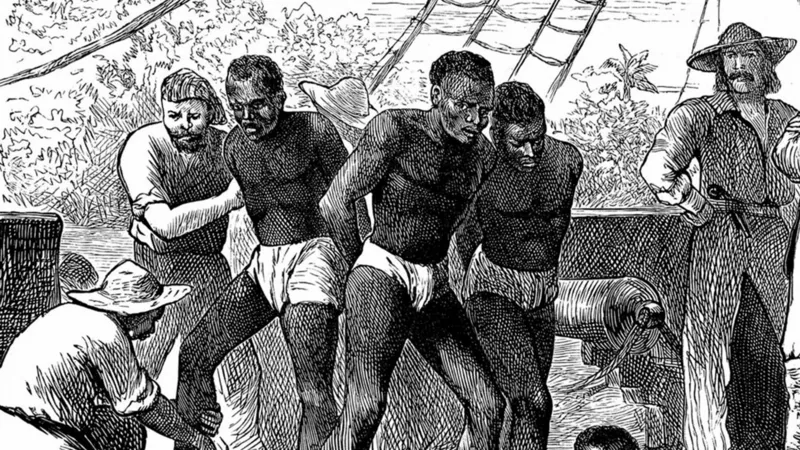
Around 12-15 million Africans were forcedly transported to America between the 16th century and the 19th century. Over two million died on the way, many in brutal conditions.
These effects still influence societies to this day. Ablakwa says that these systems affect people of all generations.
Cultural Heritage & Stolen Artefacts
In the resolution, it is also demanded that cultural artifacts taken under colonial rule be returned. The artefacts have a deep spiritual and cultural value.
Ghana was once the center of the slave trade. It still retains coastal forts which reflect its painful past. The sites are reminders of the past and need for justice.
Global Debate and Political Reactions
John Dramani Mahama called the resolution historic. He claimed that it will help to preserve memories and prevent the erasure or history. In the United States, recent moves have included restoring Confederate monuments and removing slavery-related displays.
Mahama said that similar actions can influence governments and other institutions around the world.