
Purnima Barman, a wildlife biologist from Assam, visited Dadara Village in January 2007. The villagers had chopped down the tall tree, which held nests for several greater adjutants storks.Some chicks remained alive.
B She felt the pain of this chick deeply, as a twin mother. She decided to speak up at that point.
The importance of the Hargila
The bird can reach a height of five feet and is vital to the health of wetlands. It helps keep the ecosystem healthy by feeding on dead animals.
Changes in beliefs are brought about by women
Barman understood that science alone could not save the Hargila. She started visiting villages to speak directly with the local women. She encouraged them to consider their children.
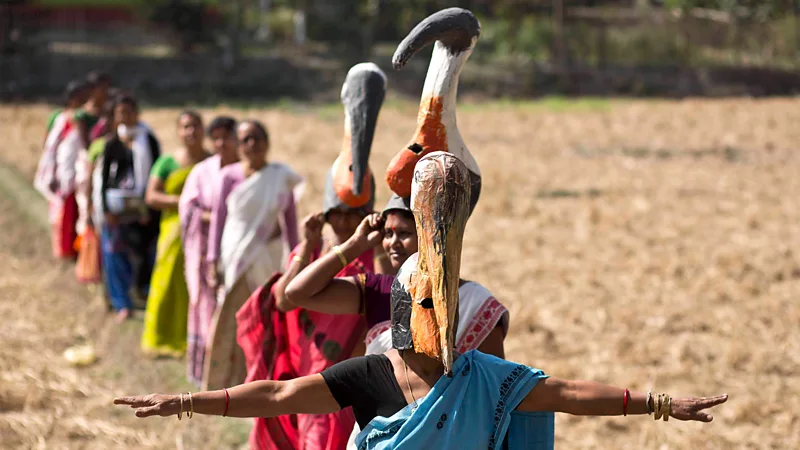
Women began to perceive the bird in a new light. This effort evolved into Hargila Army in 2007.
Conservation becomes culture
They used the tradition of rebuilding the bird to do this. The women incorporated hargila into their baby showers and other events, including songs, dances and clothes. Some women took up sewing and embroidery.
Get real results at the Ground
The men in the community changed their opinions after they saw the women leading the initiative. The project is now praised by global organizations.
Challenges still remain
Wetlands are under pressure due to development projects. Illegal logging is destroying large nesting trees. The loss of just a few nesting trees is enough to cause significant damage.
The next challenge is to protect these habitats.
The movement goes beyond the birds
The Hargila Army gave women an independent voice and skills. Barman’s daughter now helps by publishing a little newsletter about the Movement.