
Huawei was not found guilty of the more serious overall racketeering charge, but it was found guilty of conspiracy to steal trade secrets and bank fraud in a landmark US trial.
During a two-month trial, prosecutors accused the large Chinese telecom and technology corporation of stealing, lying, and deceit to gain a competitive advantage.
Prosecutors had concluded that Huawei was a criminal enterprise, despite Huawei’s defense team claiming that the company’s success was due to its own inventiveness.
Quick Facts
| Detail | Information |
|---|---|
| What happened | Jury convicted Huawei on 10 counts but cleared it of racketeering conspiracy |
| Where | Federal court in Brooklyn, New York |
| When | Recent verdict following a multi-year case launched in 2019 |
| Who is involved | Huawei, US federal prosecutors, Meredith Arfa, Brian Heberlig, Meng Wanzhou |
| Current status | Guilty verdict reached on 10 of 12 charges |
| Why it matters | Marks a major legal outcome in US-China corporate and technology disputes |
Huawei said the racketeering acquittal “confirms that these allegations lack factual basis and vindicates our consistent position over the past eight years” in a statement.
Huawei was found guilty on ten of the twelve counts, including conspiracy to breach US sanctions, by jurors in a Brooklyn court.
The racketeering conspiracy accusation, which required the jury to determine that Huawei behaved like a criminal business, was rejected by the jury.
Lawyers Clash Over Huawei's Growth
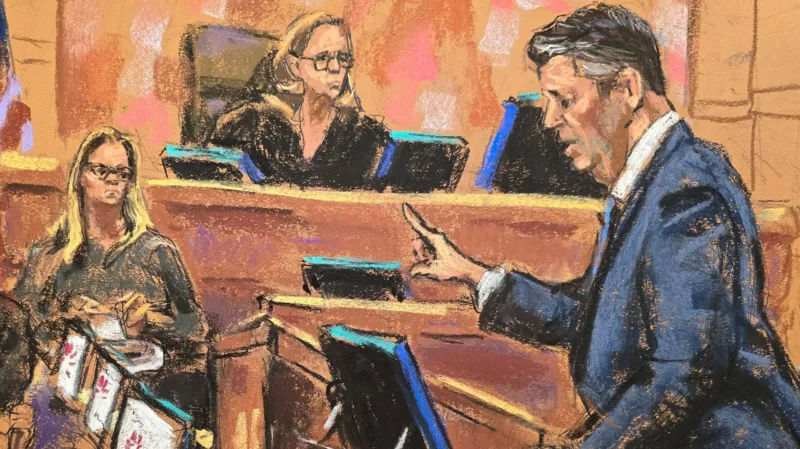
Assistant US attorney Meredith Arfa told jurors during last week’s closing statements that Huawei had spent 20 years doing whatever it took to grow its company, including stealing technical secrets from competitors to get a competitive edge and lying to banks about its business operations in Iran.
However, defense lawyer Brian Heberlig claimed that Huawei has developed into a company with operations in 170 nations and more than 200,000 employees thanks to diligence.