
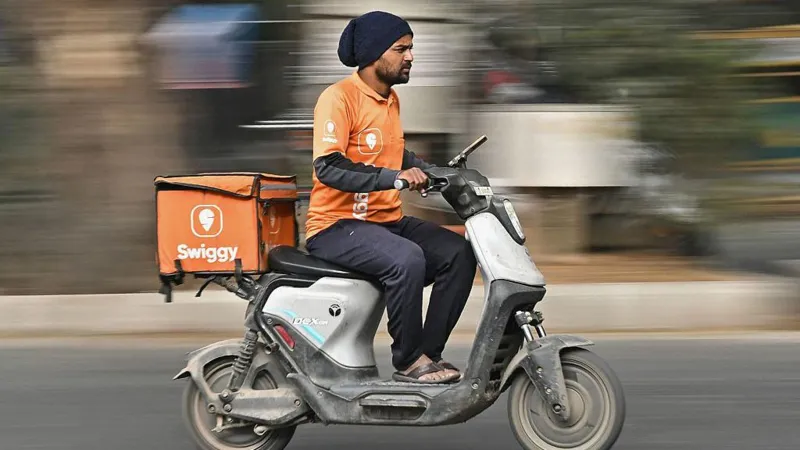
The Indian government has asked quick commerce platforms to stop advertising ten minute delivery services, citing serious concerns about the safety of delivery workers.
The request came after discussions between the federal labour ministry and major delivery companies. These talks followed a nationwide strike by delivery riders who protested against unsafe working conditions and extreme delivery pressure.
Why the Government Stepped In
While customers enjoy the speed, workers say the system pushes them to take risks on the road. Tight delivery targets often mean speeding, skipping breaks, and working very long hours.
After the strike, the government held a closed door meeting with company officials. A labour ministry source said the government strongly advised platforms to stop promoting strict delivery time promises that could endanger riders.
Are Companies Following the Advice
Some companies have already started making changes. Blinkit has removed the ten minute delivery claim from its branding and marketing. Other platforms are expected to follow.
However, in many cities, apps still show delivery estimates under ten minutes. Since dark stores are located close to residential areas, fast deliveries continue even without an official promise.
The news has contacted Eternal, which owns Zomato and Blinkit, along with Swiggy and Zepto, but has not yet received responses.
Growing Industry, Growing Pressure
As competition increased, companies pushed faster delivery times to win customers. Critics say this has raised expectations and increased pressure on riders, often at the cost of safety.
What Delivery Workers Are Saying
Many workers say missing delivery targets leads to penalties or fewer orders. Mobin Alam, a 23 year old rider, said he often works more than twelve hours a day but still earns only about 20,000 rupees a month.
He said fast delivery targets leave him with no choice but to overwork to support his family.
Researchers say gig work is not extra income for most riders. It is their main source of earnings. Yet they receive no job security, training, or long term growth opportunities.
Workers are officially called independent contractors, but their income depends heavily on app algorithms, ratings, and delivery speed.
Mixed Reactions to the Decision
Labour unions welcomed the move. The Indian Federation of App based Transport Workers called it an important step to protect the lives and dignity of gig workers.
Others remain cautious. Experts say speed is built into the system, even if deadlines are not shown openly. Riders know that faster work and higher ratings lead to more orders.
Some delivery workers agree. Satveer said removing the deadline may help during traffic delays, but better pay and parking facilities matter more. Akhilesh Kumar said low per order earnings remain the real issue.
Still, a few riders said the change could reduce stress. Mahesh Kumar said it may ease mental pressure, while Rakesh said it could reduce fear of customer complaints.