
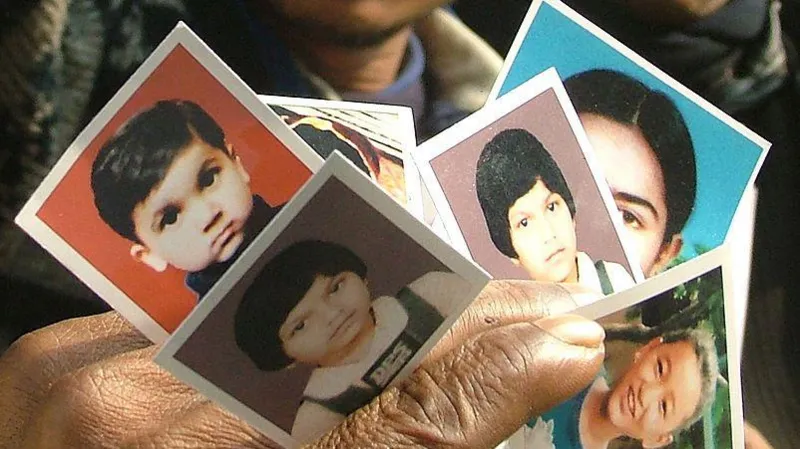
On 12 November, the Supreme Court of India cleared Surinder Koli of the final case against him, accepting his claim that his chilling confession—featuring admissions of cannibalism and necrophilia—was extracted through torture.
The gruesome case dates back to December 2006, when police uncovered skulls, bones, and dismembered body parts near the home of businessman Moninder Singh Pandher and his domestic worker Surinder Koli in Noida, near Delhi. The victims—mostly women and children—came from the neighbouring Nithari slums, while the accused lived in an upscale enclave.
The revelations caused national outrage, especially after families said police ignored repeated reports of missing children for more than two years.
Both Koli and Pandher were convicted of rape and murder and sentenced to death. But in 2023, Pandher walked free after a court ruled there wasn’t enough evidence. Now, Koli’s acquittal brings the long legal saga to a dramatic end—and leaves families devastated.
Two parents still living in the neighbourhood echoed the question haunting Nithari:
“If Pandher and Koli didn’t do it, then who killed our children?”
Pandher maintains his innocence. Koli has not appeared publicly since his release, but his lawyer, Yug Mohit Chaudhry, insists that every piece of evidence was fabricated.
Chaudhry says Koli had already been cleared in 12 of the 13 cases, and the Supreme Court has now overturned the final conviction as well.
According to him, Koli was framed to shield “some powerful person,” and he blames the CBI for allegedly creating false evidence. The CBI has not commented.
The BBC reached out to Uttar Pradesh police for a response but received none.
Families Relive Their Pain
In Nithari, the verdict has shattered whatever fragile closure families had built.
Sunita Kanaujia, whose 10-year-old daughter Jyoti vanished in 2005, cannot accept the ruling. DNA later confirmed her child was among the victims.
“If they were innocent, why were they in jail for 18 years?” she asks through tears. “God will punish those who killed her.”
Her husband, Jhabbu Lal Kanaujia, who helped expose the serial killings, burned all the case documents he had collected over the years upon hearing of the acquittal. He recalls spending 15 months visiting the police station every day after his daughter disappeared.
In December 2006, he was among the locals who climbed into a drain to retrieve skulls and bones. He insists the number of skulls found was far more than the 19 cases officially recorded.
Today, he feels defeated:
“If they are not guilty, then who is? What really happened to our children?”
The verdict has reopened old wounds for many parents who now fear they may never know the truth.
#NithariCase #HouseOfHorrors #IndiaNews #SupremeCourtIndia #JusticeForChildren #CrimeReport #HumanRightsIndia