
The International Olympic Committee has confirmed a major policy shift that will reshape women’s sport at the Olympic level. Starting with the Los Angeles 2028 Olympics, only biological females will be allowed to compete in the women’s category.
New eligibility rules explained
The IOC says athletes will undergo a one time sex verification test. This test will check for the presence of the SRY gene, which is linked to male biological development. Officials state that the screening can be done through a saliva sample, cheek swab, or blood test.
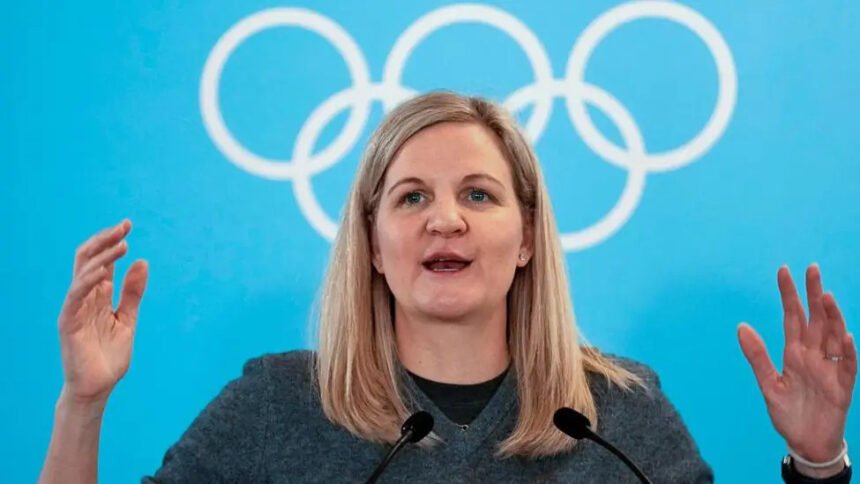
According to IOC president Kirsty Coventry, the decision aims to ensure fairness in competition. She stressed that even the smallest physical advantage can affect results at the highest level. She also noted that in some sports, safety is a key concern.
Impact on transgender and DSD athletes
Under the new rules, transgender women and most athletes with differences in sexual development (DSD) who experienced male puberty will not be eligible for women’s events.
However, these athletes will still have options. They can compete in male categories, mixed events, or open divisions where gender restrictions do not apply.
DSD refers to rare conditions where a person’s chromosomes, hormones, or reproductive traits do not fit typical definitions of male or female. In the past, some DSD athletes could compete if they controlled testosterone levels.
Exception for specific medical condition
The IOC has included a narrow exception. Athletes with complete androgen insensitivity syndrome (CAIS) may still compete in the women’s category. This condition means the body does not respond to male hormones, and the athlete does not develop male physical traits during puberty.
Controversy and high profile cases
The policy follows recent debates in international sport. One notable case involved Imane Khelif, who won Olympic gold in boxing after earlier disqualification from a world event over gender eligibility concerns. While speculation about her biological status circulated, no confirmed medical details were made public. She has stated she is willing to take a test to compete in 2028.
Another widely discussed athlete is Caster Semenya. She has a DSD condition and naturally high testosterone levels linked to XY chromosomes. Under previous rules, she could compete if hormone levels stayed within set limits. The new policy removes that pathway for most cases.
Why the decision matters
This move marks one of the most significant changes in Olympic eligibility rules in years. Supporters argue it protects fairness and competitive balance in women’s sport. Critics say it raises concerns about inclusion, privacy, and athletes’ rights.
As the 2028 Olympics approach, the debate is expected to continue across sports, medical communities, and human rights groups.