
Iran Wins Leadership Role Without Objection
Iran has been appointed vice chair of the United Nations Commission for Social Development, a move that has sparked strong backlash from human rights groups and policy experts. Critics argue that giving Tehran a leadership role in a body focused on democracy, gender equality, and non violence sends the wrong message.
The appointment was approved by consensus during a commission meeting. Delegates adopted agenda items and leadership positions without any formal objections.
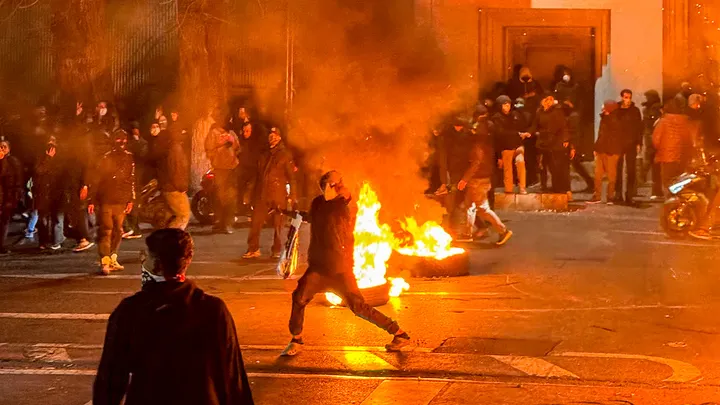
However, the decision comes at a time when the United Nations is already facing criticism over its response to Iran’s crackdown on protesters in recent months. Secretary General António Guterres also drew fire this week after congratulating Iran on the anniversary of its 1979 Islamic Revolution.
Sharp Criticism From U.S. Officials and Analysts
U.S. Ambassador to the United Nations Mike Waltz responded on social media, saying the development shows why the United States does not participate in the commission. He described the body as unserious and questioned its credibility.
Alireza Jafarzadeh, deputy director of the U.S. office of the National Council of Resistance of Iran, called the appointment deeply troubling. He said placing Iran in a leadership role within a commission that promotes democracy and women’s rights undermines the mission of the United Nations.
According to Jafarzadeh, Iran should face investigations and accountability for alleged human rights abuses instead of being elevated to a leadership position. He argued that years of inaction by Western governments have strengthened Tehran’s position.
Concerns Over Women’s Rights and Human Rights Record
Hillel Neuer, executive director of UN Watch, also condemned the move. He said allowing Iran to help guide a commission centered on social progress damages the UN’s credibility.
Neuer pointed to Iran’s treatment of women and its response to protests as reasons the appointment is controversial. He added that member states have previously blocked countries like Russia from similar roles, suggesting they could have done the same in this case.
Lisa Daftari, an Iran analyst, said the optics are especially painful for Iranian women who face punishment for defying strict dress codes. She described the appointment as discouraging for those risking their freedom to demand change.
Broader Debate Over UN Priorities
Daftari also argued that voting patterns within the UN system have contributed to perceptions of bias. She noted that over the past decade, a large number of resolutions have targeted Israel compared to other nations. In her view, that imbalance raises questions about consistency and fairness.
Some diplomats may frame Iran’s appointment as procedural. Still, critics insist that even symbolic leadership roles carry weight at the United Nations. They believe the decision sends a signal that undermines efforts to hold governments accountable for human rights violations.
The controversy highlights ongoing tension over how the UN balances diplomacy with its stated commitment to democracy and social development.