Trump announced in December that he approved the production of these tiny cars in America. According to his statement, these vehicles are “inexpensive, safe, fuel-efficient, and amazing.” The move would reverse long-standing rules that have limited the production of small American-made vehicles.
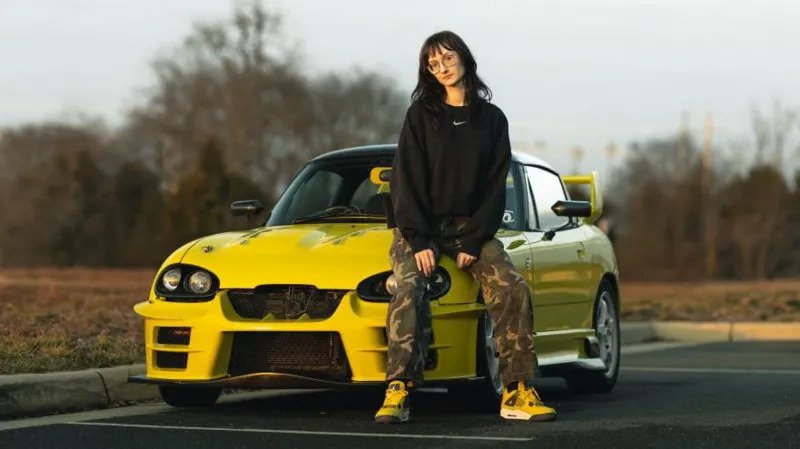
Despite Trump’s enthusiasm, many experts and drivers remain skeptical. Enthusiasts, like Maryland resident Nevi Bergeron, love them for their fun factor. Bergeron, who owns a 1997 Suzuki Cappuccino, says the car is a conversation starter but not ideal for daily highway driving.
Andrew Maxon, founder of the Capital Kei Car Club, agrees. He drives his Autozam az-1 mini-coupe cautiously, often treating it like a motorbike to stay safe among larger trucks.
The US Transport Department suggests that these vehicles could make ownership more affordable, whether electric or petrol-powered. However, it remains uncertain if American manufacturers can produce Kei cars at prices lower than current sedans, especially given the rising cost of new cars and the effects of tariffs and reduced subsidies on EVs.
Some automakers are cautiously exploring the market. Fiat’s Stellantis plans to sell the Topolino, a small vehicle with a top speed under 30mph, while Nissan and Mitsubishi are monitoring demand but have no current plans to launch Kei cars in the US. Larger carmakers, including Toyota, Honda, and Suzuki, have not announced any plans.
Industry experts, like Steve Greenfield, warn that modern Kei cars do not meet US safety standards. Redesigning them would reduce their cost and efficiency advantages. Past attempts, like the Smart car, failed in the US because drivers prefer larger vehicles. Imported Kei cars mostly serve as novelty items, used at meet-ups, golf courses, or farms. Despite Trump’s announcement raising awareness, experts say Kei cars will likely remain a niche market in America.