
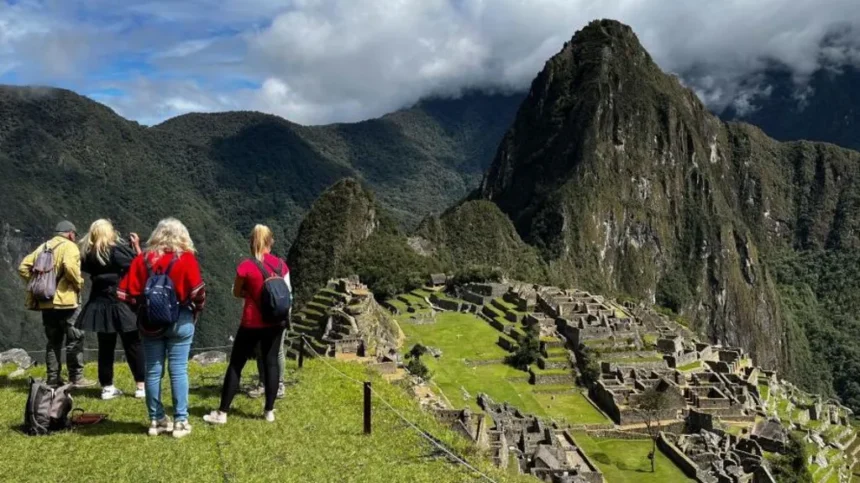
Machu Picchu — Peru’s world-famous 15th-century Inca citadel and a UNESCO World Heritage Site — is once again in the spotlight, not for its beauty but for an escalating dispute over the buses that take thousands of tourists to the mountain-top ruins.
Recently, around 1,400 tourists were left stranded and had to be evacuated due to protests linked to the long-running conflict between local communities and transportation companies.
A Transport Dispute Years in the Making
For nearly 30 years, the company Consettur has been responsible for carrying about 4,500 visitors daily from Aguas Calientes to Machu Picchu. The journey takes only 20 minutes, and the only other option is a demanding two-hour hike up a steep trail.
However, Consettur’s long-standing licence expired in September and was set to be awarded to a rival company, San Antonio de Torontoy. Many locals claim the bidding process was not transparent, sparking frustration and protests.
Blocked Railways and Tourist Evacuations
In September, protestors angry about Consettur losing the licence blocked the railway line leading to Aguas Calientes — the only way to reach the town unless hiking over the Andes. Authorities had to clear the tracks and run special trains to evacuate stranded visitors.
Although Consettur’s licence ended, the company continues operating because legal challenges have delayed San Antonio de Torontoy from starting its services.
Is Consettur a Monopoly?
Cristian Alberto Caballero Chacón, the operations head at Consettur, denies that the company is a monopoly. He explains that Consettur consists of 12 partner companies, including the local district council, which owns 38%. Still, many community members argue that they deserve a share of the bus revenue and better opportunities.
Tourists Complain About High Transport Costs
Visitors are also feeling the impact. Australian tourist Annalise Jaksic voiced frustration over the high cost of the train to Aguas Calientes, which ranges from $140 for the cheapest round trip to $2,000 for luxury travel. She and her travel partner, Todd Carland, also struggled with buying Machu Picchu entry tickets without using a tour guide. A standard ticket costs $57.
Local Leaders Demand More Benefits for the Region
Aguas Calientes Mayor Elvis La Torre argues that only 10% of entry ticket revenue stays in the region, while most goes to Peru’s Ministry of Culture. He says the community needs more funding for infrastructure, tourism improvements, and essential public services.
Local vendor Dina Huillca echoes this sentiment, saying communities still lack basic needs like clean water, hospitals, and proper schooling.
Calls for Better Tourism Management in Peru
Carlos González, president of the Chamber of Tourism for Cusco, believes Peru needs stronger state oversight of its tourism system. He proposes a unified national tourism strategy, more entry points at Machu Picchu, and designated areas for different types of visitors — such as meditation spaces for spiritual tourists and separate spots for younger visitors who enjoy TikTok and social media content.
But political instability in Peru makes progress difficult. With six presidents in six years, González says it has become nearly impossible to implement long-term changes.
A Hope for Shared Solutions
Despite the tension, Consettur’s representative says the company is willing to coexist with San Antonio de Torontoy. “If they are approved, we have no problem working alongside them,” says Caballero.
#MachuPicchu #PeruTourism #TravelNews #TouristExperience #UNESCOWorldHeritage #AguasCalientes #CuscoRegion #SustainableTourism #TravelUpdates #LatinAmericaTravel