
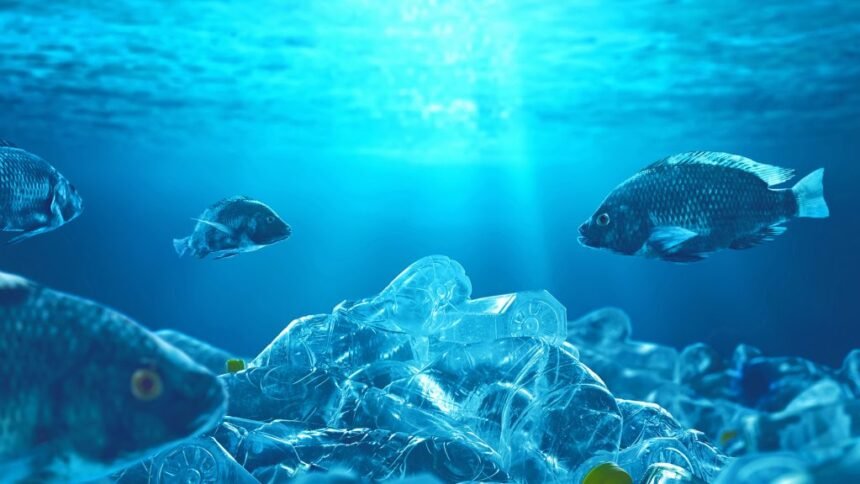
PFAS chemicals are spreading across the planet. They threaten human health, wildlife, and marine ecosystems. The Marine Conservation Society warns that delay will only deepen the damage.
PFAS stands for per- and polyfluoroalkyl substances. Scientists created them in the 1950s. Today, thousands of PFAS chemicals exist. Manufacturers use them because they repel water, oil, heat, and stains.
As a result, PFAS appear in everyday products. These include waterproof clothing, cleaning sprays, non-stick cookware, and food packaging. Industry also relies on them for many processes. Their usefulness, however, is also their danger.
Why Forever Chemicals Are So Harmful
PFAS last for an extremely long time. They do not break down easily. For this reason, people often call them forever chemicals.
All substances become harmful at a certain level. Even water can be toxic at high doses. With persistent chemicals like PFAS, exposure builds over time instead of fading away.
If use continues, PFAS accumulate in soil, water, animals, and people. Concentrations rise steadily. Therefore, the risk of harm increases even if emissions stay low.
History offers a warning. PCBs, another group of long-lasting chemicals, were banned decades ago. Even so, they still affect killer whale fertility today. In the UK, this legacy pollution may wipe out the local killer whale population within a century.
In contrast, short-lived chemicals leave the environment faster once use stops. Their impacts fade. PFAS do not follow this pattern. Their effects can last for generations.
How PFAS Reach the Ocean
PFAS enter the environment through many routes. Some come directly from firefighting foams. Others travel through wastewater, sewage overflows, and landfill leaks.
The Marine Conservation Society worked with the University of Portsmouth to study PFAS in Langstone Harbour. The results were clear. PFAS levels rose after sewage discharges. This showed that sewage pollution carries chemical threats, not just bacteria.
In other words, what we cannot see can still cause serious harm.
PFAS Across the Marine Food Web
PFAS now exist throughout marine ecosystems. They appear in plankton at the base of the food chain. They also appear in top predators.
Research with Watershed Investigations found PFAS in dolphins, porpoises, otters, fish, buzzards, and other UK wildlife. These chemicals do not simply sit in the body. They disrupt vital systems.
For example, sea otters in California showed higher PFAS levels when they died from infections. Bottlenose dolphins exposed to PFOS showed weakened immune responses. Other studies link PFAS to hormone disruption, including thyroid problems in seabirds.
Polar bears also suffer. Research connects PFAS exposure to neurological effects that may alter movement and behaviour.
Passing Pollution to the Next Generation
PFAS can transfer from mother to young. In mammals, they cross the placenta. In birds and turtles, they pass into eggs.
As a result, offspring face exposure before birth. This early contact can shape health for life. It may reduce survival, weaken immunity, and lower reproduction.
This makes PFAS especially dangerous. They not only affect today’s wildlife. They shape future populations.
Lessons We Cannot Ignore
Past mistakes offer clear lessons. Society often ignored early warnings about harmful chemicals. Leaded petrol is one example.
Experts raised concerns when lead entered petrol in the 1920s. Industry funded much of the early research. Independent studies later confirmed the harm. Governments acted, but only after decades of damage.
The European Environment Agency documents many such cases in its report Late lessons from early warnings. The message is simple. Waiting increases harm.
Why Stronger Rules Are Essential
Some PFAS are already restricted. However, banning them one by one takes far too long. At the current pace, full regulation would take thousands of years.
The Marine Conservation Society calls for a universal PFAS restriction in the UK. This approach would mirror proposals in the European Union. It would cut off PFAS at the source.
Only broad action can stop these chemicals from entering the ocean, wildlife, and our own bodies. Delay will lock in damage that cannot be undone.
Acting now is not optional. It is essential for the future of the ocean and for ourselves.