As the Middle East conflict continues disrupting global oil supplies, The Philippines declared an energy emergency. The executive order was signed by President Ferdinand Marcos Jr to ensure the energy security of the Philippines and stabilize its economy.
The ongoing conflict between the US, Israel and Iran, he warned, has created serious risks for fuel supply.
The risks of heavy dependence on imported oil
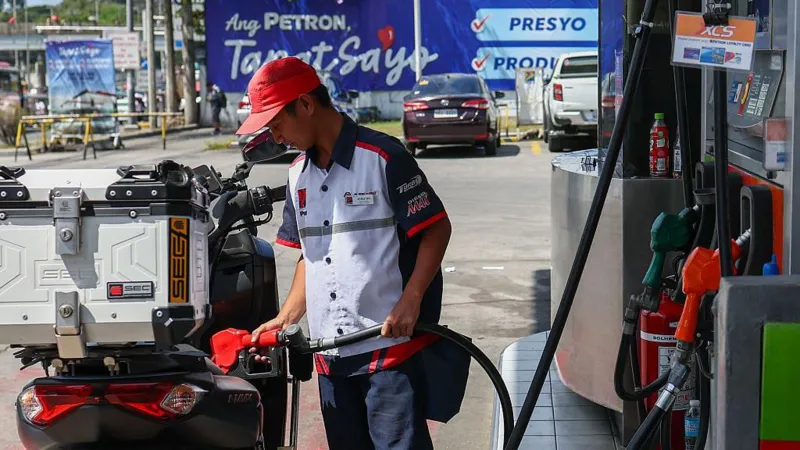
Fuel prices have risen dramatically since the 28th of February when conflict started. The price of petrol and diesel has more than doubled since the beginning of the conflict.
The sharp rise in prices has placed pressure on businesses and households.
The Government takes Control Measures
Declaring an emergency allows for quick action by the government. The government can purchase fuel directly and control its distribution throughout the country.
The committee overseeing the distribution of goods essential to life has been created. Fuel, food and medicine are all included. It is important to keep the price of fuel and food under control.
Fuel shortages are a growing concern
In order to manage this crisis, the Government has taken several measures. To save fuel, the government has given subsidies to drivers of transport and cut ferry services.
To reduce energy consumption, civil servants now work a 4-day-week.
As LNG costs rise, shift towards coal
In the near future, due to the rising prices of natural gas liquefied in the world market, the Philippines will rely on more coal-fired plants. The Philippines is taking this step to ensure electricity supplies despite rising energy prices.
This shift could raise long-term environmental issues.
Asia faces major impact from oil disruptions
Asia is still highly vulnerable to the current crisis. It also has an impact on the energy supply and prices in the entire region. This situation highlights the need for long-term energy planning and diversification.