Philippine President Ferdinand Marcos Jr. has declared a national energy emergency as fuel prices continue to rise due to the conflict involving Iran.
The government is taking urgent steps to secure oil supplies. This includes buying one million barrels of oil to boost the country’s reserves, which currently last about 45 days.
He assured citizens that the country will not face a shortage. According to him, the goal is to maintain a steady and continuous supply of fuel.
Fuel Prices Rise Sharply
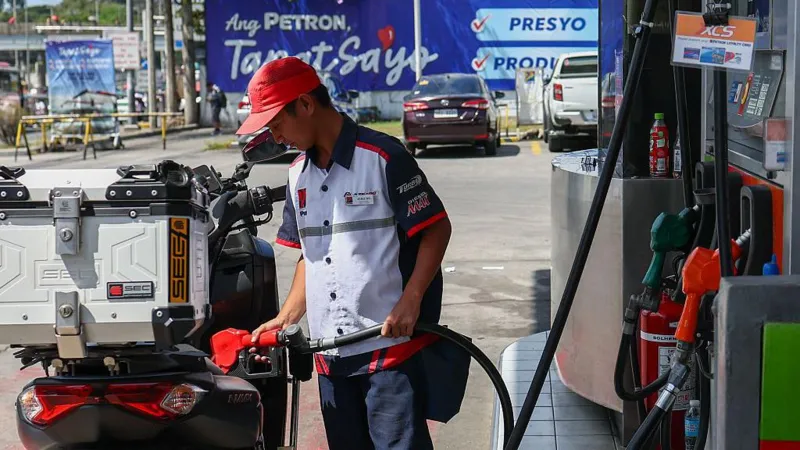
The Philippines depends heavily on imported oil. Almost all of its fuel comes from Gulf countries. Since the conflict began on 28 February, petrol and diesel prices have more than doubled.
One major reason is disruption in the Strait of Hormuz. This route is one of the world’s most important oil supply paths. Any disruption there affects global prices quickly.
Because of this situation, the Philippines became the first country to declare an energy emergency.
Emergency Powers to Control the Situation
The declaration gives the government more control to manage the crisis. Officials can now directly purchase fuel and control how essential goods are distributed.
A special committee will monitor the supply of fuel, food, and medicine. The emergency will stay in place for one year unless the government decides to end it earlier.
The government is also working with allies like the United States to explore more oil supply options.
Workers and Unions Raise Concerns
Labor groups, including Kilusang Mayo Uno, have criticized the decision. They believe the government acted too late and did not handle the situation properly at the start.
They are also worried about workers’ rights. Some parts of the emergency order may limit protests or strikes, especially those that affect economic activity.
Transport workers are planning a two-day strike. They are asking for lower fuel prices, better wages, and more support from the government.
Businesses Support the Decision
Business leaders have shown support for the emergency measures. Manuel V. Pangilinan said rising energy costs are already affecting companies.
He believes the government should use all possible options to protect the economy during this difficult time.
Steps Taken to Reduce Public Burden
To help people manage rising costs, the government has introduced some short-term measures. These include fuel subsidies for drivers, fewer ferry services, and a four-day workweek for government employees to save fuel.
Even with these steps, many people are still struggling as fuel prices remain high.