
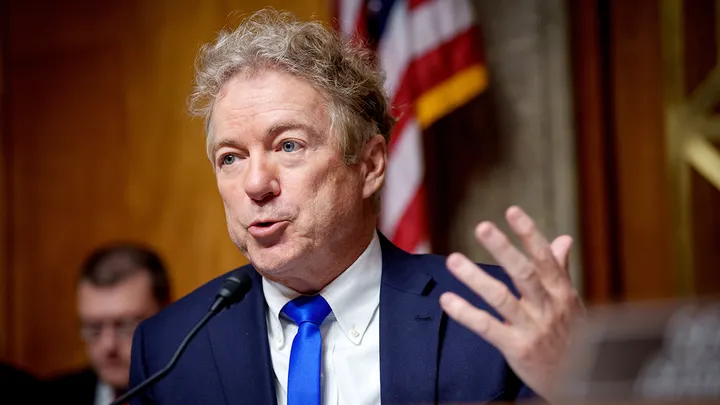
Senator’s Experience Sparks Shift on Social Media Liability
Sen. Rand Paul, R-Ky., revealed that a personal encounter with Big Tech has changed his stance on platform responsibility. He now believes companies like YouTube and Google should be held accountable for content posted on their platforms.
Paul explained that YouTube and Google refused to remove a video falsely claiming he received money from Venezuelan leader Nicolás Maduro. “I formally notified Google that this video is unsupported by facts, defames me, harasses me, and endangers my life. Google responded that they don’t investigate the truth of accusations and refused to take it down,” he wrote in an opinion piece for the New York Post.
Turning Point in Thinking
The senator noted that the person who uploaded the video eventually removed it under threat of legal action.
Paul, a long-time defender of Section 230, the legal protection shielding social media companies from lawsuits over third-party content, said this experience made him reconsider. “Until now, I hadn’t fully considered the effects of platforms hosting content accusing individuals of crimes,” he explained.
He added, “Google’s arrogance in continuing to host this defamatory video, along with the threats to my life, has caused me to rethink Congress’ blind allegiance to liability shields.”
Accusing Big Tech of Inconsistent Practices
Paul criticized Google for inconsistency in applying its policies. “Google does not have a blanket rule about evaluating truth. It chooses what to judge as true when it aligns with its own biases,” he wrote.
He argued that the exemption from liability, a government-granted privilege, should not protect companies from hosting defamatory content. Paul also indicated he intends to pursue legislation to address this issue.
Call for Accountability
“I believe Google should be liable for hosting this video that accuses me of treason, at least from the point when they were aware of the defamation and the danger it posed,” Paul concluded.
The senator’s stance marks a notable shift for a vocal libertarian and conservative, highlighting the debate over whether Big Tech should face stricter accountability for content moderation.