
Great Britain achieved a new milestone in renewable energy in 2025, producing record levels of electricity from wind and solar, according to provisional data from the National Energy System Operator (Neso) analyzed by the news.
Wind remained the largest source of renewable electricity, generating over 85 terawatt hours (TWh), nearly 30% of the country’s total electricity. Solar electricity saw an even sharper rise, increasing by nearly a third compared to 2024. This growth was supported by the UK’s sunniest year on record and the expansion of solar installations across the country, including around 250,000 new rooftop panels registered under the Microgeneration Certification Scheme and new large solar farms like Cleve Hill in Kent.
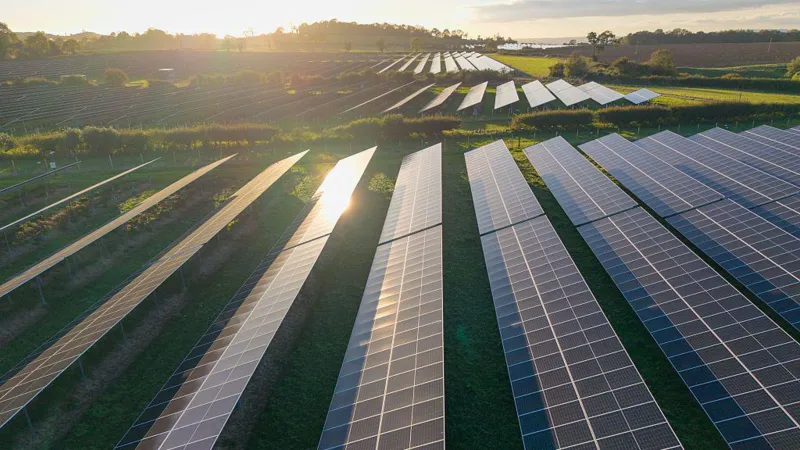
Solar’s share reached over 6% of total electricity, producing more than 18TWh in 2025. On some days in July, solar panels contributed more than 40% of the country’s electricity during short periods—a huge increase from 2013, when solar never contributed more than 5% at any time.
Despite these gains, gas-fired electricity also rose slightly, generating about 77TWh or 27% of total electricity, up from 72TWh in 2024. Factors include reduced electricity imports from Europe, lower nuclear output, the closure of the last coal power station in 2024, and higher overall electricity demand. This led to a slight rise in carbon intensity, with 126g of CO2 per kilowatt-hour in 2025, up from 124g/kWh in 2024 but far below 2012 levels of 505g/kWh.
Experts note that while renewables have grown significantly, the pace is still not enough to meet the UK government’s “clean power” target of nearly zero polluting gas by 2030. Storage solutions like batteries, reliable low-carbon sources such as nuclear, and grid upgrades will be crucial to handle periods when the sun isn’t shining and the wind isn’t blowing.