
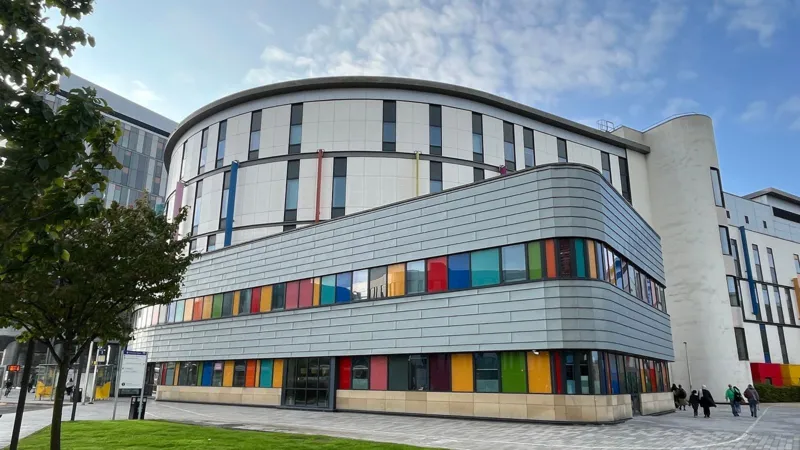
The Scottish Hospitals Inquiry, launched in 2019, is close to wrapping up. concerns, especially at the Royal Hospital for Children. Young patients with cancer or blood disorders were most at risk. One of those who died was 10-year-old Milly Main, who caught an infection while in remission from leukaemia. In total, 84 children were affected. Over the course of the inquiry, 186 witnesses have given evidence, offering a clearer, though still debated, picture of what went wrong.
1. Problems with the water system likely caused infections
NHSGGC, the health board in charge, originally said infection rates were normal. But it has now accepted that issues with the hospital’s water system probably caused some of the infections in children. Earlier reports claimed there was no unusual risk, but evidence from the hearings showed infection rates were unusually high between 2016 and 2018, before improvements were made.
2. The hospital opened before it was ready
The health board admits that the hospital’s design, construction, and commissioning had major flaws. Legal action is ongoing against the main contractor, Multiplex, to recover £90 million. NHSGGC says there was poor supervision of contractors and not enough in-house expertise.
3. Is the hospital safe now?
NHSGGC says both hospitals on the QEUH campus are now safe, with strong water testing and air monitoring. But ventilation problems still don’t meet national standards. Lawyers for the inquiry argue that some wards could still be unsafe for high-risk patients and upgrading the system might require replacing entire air handling units.
4. Was there a cover-up?
The health board denies any cover-up, saying the issues were mainly communication problems. They avoided giving families uncertain information, which unfortunately damaged trust. Inquiry lawyers warn that it’s possible some evidence was deliberately suppressed.