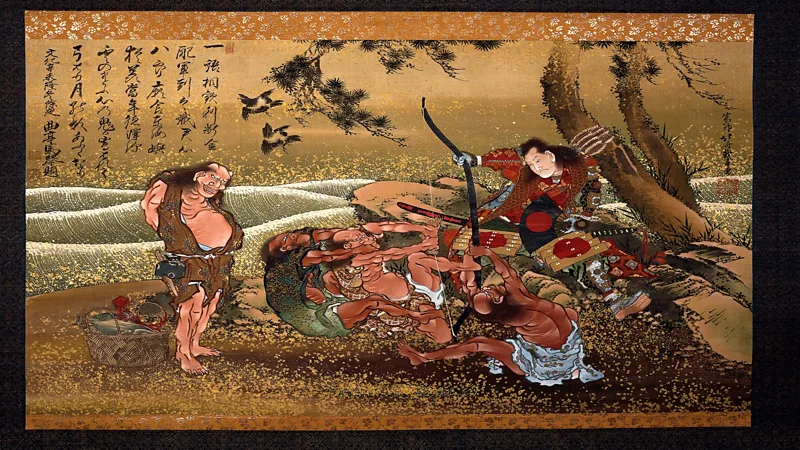
The samurai are some of the most famous figures in Japanese history, inspiring art, films, and video games. From Shōgun to Star Wars, their image has captured imaginations worldwide. Yet the real story of the samurai is more complex and surprising than popular culture suggests.
Origins of the Samurai
Samurai first appeared in the 10th Century as mercenaries for the imperial courts. Over time, they evolved into rural gentry, gaining influence and power. Contrary to the popular image of gallant warriors bound by strict codes of honor, early samurai often used ambush, deception, and opportunistic tactics in battle. Their loyalty was often tied to rewards of land and social status rather than selfless duty.
A Blend of Cultures and Technology
Samurai were not isolated from the outside world. They adopted foreign ideas and technology to stay ahead. A striking example is a samurai cuirass at the British Museum, based on a Portuguese design. Its pointed front and angled sides were made to deflect bullets, showing how European firearms, introduced to Japan in 1543, influenced Japanese armor.
Power Through Culture
Political power for the samurai rose from chaos in imperial succession disputes. The Minamoto clan eventually established a new government in 1185, running alongside the imperial court. Beyond their military skill, samurai cultivated arts like painting, poetry, music, theatre, and tea ceremonies. Shōguns, the military rulers, realized that controlling society required more than strength—they had to master subtle forms of influence. As the exhibition curator Rosina Buckland puts it, “Culture is power.”
Breaking the Myth
The samurai were not the unchanging, flawless warriors often depicted in movies or anime. They adapted to new technologies, embraced foreign influences, and navigated political power with cunning and strategy. Understanding these facets makes their history more compelling and human than the legends suggest.
By looking beyond the myths, we can appreciate samurai as dynamic figures who shaped Japanese history through both skill and intellect.