
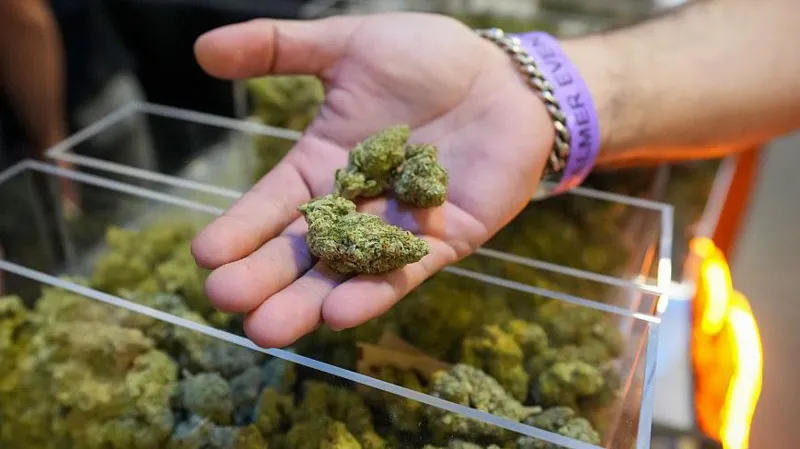
President Donald Trump plans to sign an executive order that will make cannabis more accessible. This change would mark the largest shift in U.S. drug policy in decades.
The order would move cannabis from Schedule I to Schedule III, placing it in the same category as medicines like Tylenol with codeine. Federal law would still ban it, but researchers could study its medical uses more freely.
Benefits of Reclassification
Schedule III drugs carry a moderate to low risk of addiction. State-legal cannabis stores may also benefit from new tax rules, as current laws limit deductions for selling Schedule I products.
Reports suggest the plan could include a program reimbursing older Americans for cannabidiol (CBD) used for conditions such as cancer.
Reactions from Lawmakers
Some Republican lawmakers have expressed concern. Twenty-two senators warned that legalizing cannabis could hurt the economy and raise health risks. Nine House representatives argued that research does not fully prove cannabis has medical value. They also said rescheduling it could suggest it is safe for children.
Despite the criticism, most Americans support legalization. A recent Gallup poll found 64 percent in favor, though support among Republicans has slightly dropped.
Background and Previous Efforts
Cannabis has been a Schedule I drug since 1971, meaning authorities considered it highly addictive and without medical use. The Biden administration and DEA tried reclassification but faced legal and administrative delays.
Trump has long supported changes in cannabis policy. He has said adults should not face jail for small amounts of marijuana and wants regulated access to safe products.