Trump Makes His Case at Georgia Steel Plant
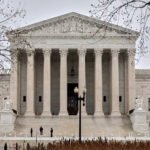
President Donald Trump strongly defended his tariff policy during a visit to a steel factory in northwest Georgia, as the Supreme Court of the United States prepares to rule on whether he had the authority to impose sweeping global import taxes.
Speaking at Coosa Steel Corp. in Rome, Georgia, Trump said his tariffs helped revive American manufacturing and boosted business for the plant. He pointed to what he described as a major order the factory secured last fall, crediting the policy for driving demand.
The justices could issue their decision as early as Friday. A ruling against Trump would weaken a major pillar of his second term economic agenda.
Legal Battle Over Presidential Authority
The case centers on the International Emergency Economic Powers Act, a law that allows presidents to regulate imports during national emergencies. Trump used that authority to impose broad tariffs on goods from multiple countries.
Critics argue that the Constitution gives Congress, not the president, the power to set tariffs. They say Trump exceeded his authority by applying global duties without clear limits on scope or duration.
The court heard nearly three hours of arguments in November. Although the bench holds a conservative majority, the justices offered few clear signals about how they might rule.
Financial Stakes and Economic Claims
If the court strikes down the tariffs, the administration could face financial challenges. The government has already distributed 12 billion dollars in tariff revenue to farmers. Trump has claimed the policy could generate up to 900 billion dollars next year unless the court intervenes.
He described tariffs as common sense and insisted they protect American workers. According to Trump, the policy shields domestic industries from unfair foreign competition and strengthens national security.
At the same time, critics point to research from the Federal Reserve Bank of New York suggesting that U.S. consumers have absorbed much of the cost through higher prices. White House adviser Kevin Hassett dismissed that analysis, calling it flawed.
Political Pressure and Midterm Messaging
Trump framed tariffs as central to both economic strength and diplomatic leverage. Earlier in the day, he said trade pressure helped ease tensions between India and Pakistan by encouraging compromise.
During the Georgia visit, Commerce Secretary Howard Lutnick and Small Business Administrator Kelly Loeffler joined him. The district was previously represented by Marjorie Taylor Greene, who has publicly questioned the impact of tariffs on small businesses.
Trump also promoted other economic proposals, including eliminating taxes on tips, overtime pay, and Social Security benefits. He claimed inflation has dropped and retirement accounts have grown since the 2024 election.
Democrats pushed back. Ken Martin criticized Trump’s record on affordability, arguing that families continue to face rising costs.
As the midterm elections approach, the court’s decision could shape both economic policy and campaign messaging nationwide.