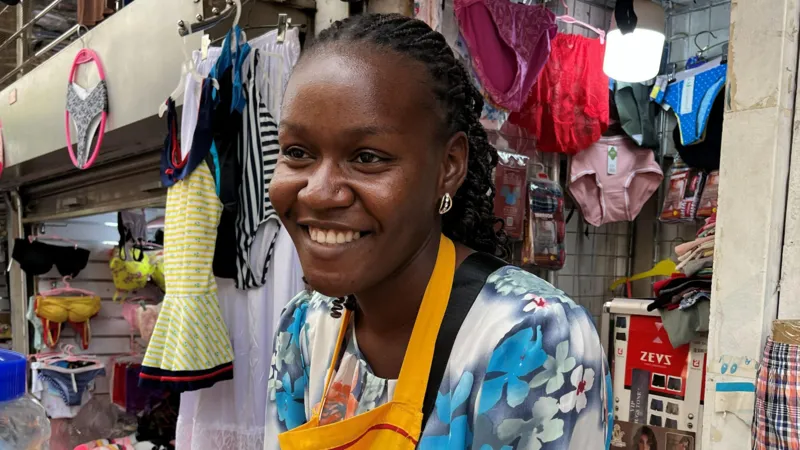
During Uganda’s recent general election, the government shut down the internet, leaving many people unable to work or stay connected. In Kampala, mobile money agent Mirembe Tracy says her business came to a complete stop. She earns most of her income through withdrawal commissions, making up to 450,000 Ugandan shillings (£96; $130) a week to cover rent and other expenses. When the internet went down, her earnings dropped to zero.
For a few days before and after the election, Tracy could only sell prepaid airtime, which doesn’t give her any commission. She calls the experience a total loss.
The opposition, however, argued that it was a way to hide voter fraud and stop agents from sharing results from polling stations.
The blackout hit many businesses that rely on mobile money. Some came to a complete halt, while others switched back to cash. Kampala’s motorcycle taxis, known as boda bodas, were also affected. SafeBoda, a popular ride-hailing app, had its servers offline, leaving many riders without work and cutting off income for related businesses.
Namukwaya Olivia, who sells traditional clothing online through Instagram, TikTok, and WhatsApp, couldn’t send pictures, take orders, or make deliveries. She says the financial impact was immediate and severe. Even after the internet returned, customer access remained slow, delaying her recovery.