
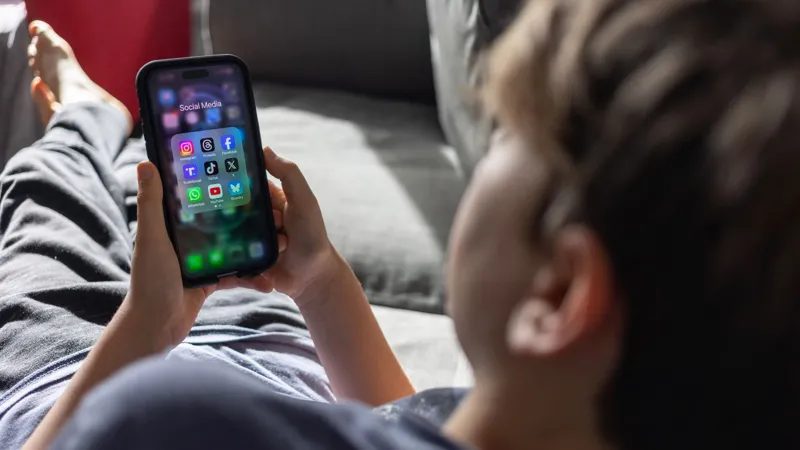
UK Government has launched a consultation on social media for under-16s. Before a decision is taken, parents, children, teenagers, educators, researchers, charity organizations, teachers and academics are invited to express their views.
This follows a global discussion on children’s safety online. Australia was the first nation to ban social media for those under 16. This happened in 2024. Spain announced similar plans in February.
The Consultation will cover
UK Government is considering more than a complete ban. The UK government is seeking input on other measures to better protect online users.
Liz Kendall, the Technology Secretary said that her goal was to ensure children’s safety in an ever-changing digital environment. A panel of independent academics will review the research and findings, including those from Australia.
Consultations will continue until the 26th of May. The Government plans to release its response during the summer.
Political and public Reactions
The support for a complete ban on under-16s is increasing across all political parties. House of Lords voted for a complete ban on under-16s. Over 60 Labour MPs joined Conservative Party members and Liberal Democrats to support the idea.
Kemi Bdenoch, the Conservative Party leader has stated that her party will introduce a prohibition if they are in power. Munira W. Wilson, the education spokesperson for the Liberal Democrats warned against a lengthy consultation that could put off urgent action.
Some experts and charities, however, have called for caution. Molly Rose Foundation called the consultation an opportunity to improve online safety laws.
The importance of this debate
Discussions about a social media ban for UK minors under the age of 16 highlight a larger issue. The world’s governments are trying to find a balance between online freedom and child protection.
A ban would reduce the exposure of harmful content and online bullying. It could also limit addictive features. Critics are concerned about the challenges of enforcement, digital exclusion and restricting young people’s online access.