
Confidence drops sharply amid jobs and price fears
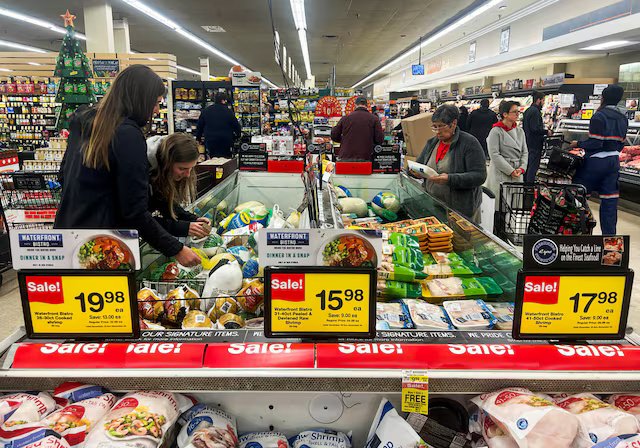
US consumer confidence fell hard in January, hitting its lowest level in more than 11 years. The slide reflects rising concern about weak job prospects and stubbornly high prices. As a result, many households may pull back on spending in the months ahead.
The Conference Board reported that its consumer confidence index dropped far more than expected. The decline cut across political lines. However, people identifying as independents were the most pessimistic. This broad based drop adds pressure on President Donald Trump, as critics continue to point to an ongoing affordability problem linked to trade and economic policies.
Labor market concerns deepen
Although confidence does not always move in step with spending, economists flagged one troubling sign. Views on job availability weakened sharply. In fact, perceptions of the labor market were the worst in nearly five years.
Even so, analysts do not expect this drop to affect the Federal Reserve’s current policy stance. The Fed is still expected to hold interest rates steady. Still, expectations for the future fell to a nine month low, which may hint at slower consumer spending ahead.
Some economists warned that recent weakness should not be ignored. Real incomes have stalled, and savings rates remain very low. Together, these trends leave households with less room to absorb shocks.
Confidence index posts a steep fall
The Conference Board’s index fell nearly 10 points to 84.5 in January. That marked the weakest reading since May 2014 and came in well below forecasts. The survey period ended in mid January.
This drop stood in contrast to a recent rise in the University of Michigan’s sentiment measure. The sharpest declines appeared among people aged 35 and older. Lower income households were hit hard. Confidence also fell among higher earners, who have been driving much of recent spending.
Economists described recent spending patterns as uneven. Higher income households have kept the economy afloat even as job growth slows.
Prices and tariffs weigh on sentiment
Mentions of inflation stayed high in the survey. Consumers continued to cite food, fuel, and energy costs as major concerns. At the same time, references to tariffs, politics, and trade increased. Worries about health insurance and global conflict also rose.
Markets showed little immediate reaction. Wall Street stocks traded higher. Meanwhile, the dollar weakened and Treasury yields moved in mixed directions.
Job outlook signals possible risk ahead
Fewer consumers said jobs were plentiful. That share fell to its lowest level since early 2021. At the same time, more people said jobs were hard to get. This pushed a key labor market gauge to its weakest reading in nearly four years.
Economists say this trend raises the risk that unemployment could tick higher. Trade policies and immigration restrictions have reduced both labor supply and demand. In addition, heavy investment in artificial intelligence has made businesses cautious about hiring.
Big purchases and housing plans pull back
Plans to buy big ticket items dropped. Fewer consumers expect to travel. Home buying plans also fell to a nine month low.
The Trump administration has taken steps aimed at easing housing costs. These include limits on institutional home purchases and federal support for mortgage backed securities. Mortgage rates initially eased. Still, economists doubt these actions will fix affordability.
High material costs, labor shortages, and tight building rules continue to limit new supply. As a result, home prices remain under pressure. Analysts expect prices to keep rising this year despite slightly lower mortgage rates.