
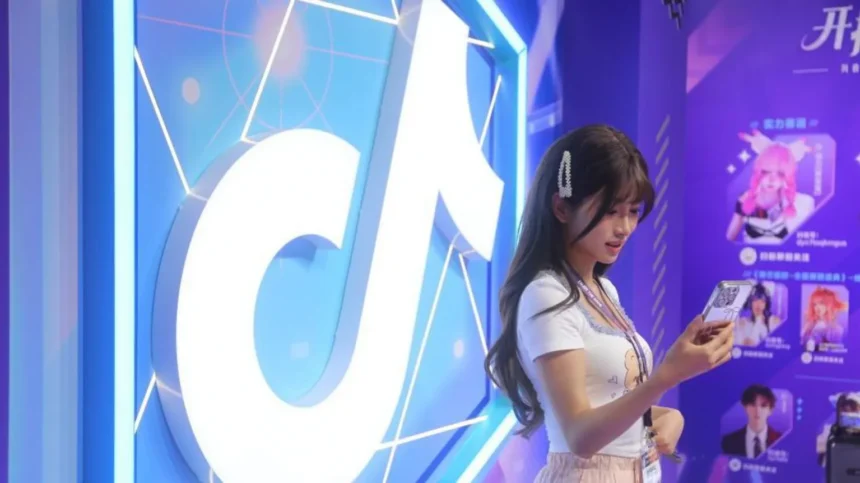
TikTok Survives US Scrutiny
One in seven people worldwide uses TikTok. But the company has faced challenges over the last few years. Concerns over data security first surfaced more than five years ago. President Trump signed an executive order to remove TikTok from US stores, citing fears that the Chinese government could access American user data.
TikTok’s parent, ByteDance, responded with Project Texas, storing US user data on American servers run by Oracle. The company also moved its headquarters to Singapore and Los Angeles to distance itself from China.
A Landmark Deal
In 2024, Congress passed a law that threatened to ban TikTok unless ByteDance transferred majority ownership and changed its US operations. ByteDance signed an agreement to split the US app from its global business under a consortium including Oracle.
The deal allows ByteDance to retain access to 200 million US users and 7.5 million businesses. However, it loses control over TikTok’s algorithm and data, licensing it to the US entity. The Trump administration valued the deal at $14 billion.
Implications for Users and Creators
TikTok’s algorithm drives its success. A US-only algorithm may reduce global virality. Creators could see engagement drop, forcing brands to rethink campaigns and costs. Advertising revenue in the US, roughly $10 billion of TikTok’s global $20–26 billion, could be affected.
Increased Complexity for ByteDance
Operating separate algorithms, split workforces, and dual governance raises costs. It also slows innovation and adds operational challenges. Despite this, ByteDance has grown after setbacks like the 2020 India ban.
Lessons for Chinese Tech
Unlike Huawei, which lost access to Western markets, ByteDance retains US operations under restrictions. This reflects a pattern: some Chinese tech firms are barred entirely, while others operate under strict regulatory limits.
ByteDance continues to control Douyin, its Chinese app, which remains profitable and politically aligned. The company is also investing in cloud computing, AI, and data centers to diversify beyond consumer apps.
A Template for the Future
The licensing model for TikTok in the US could serve as a blueprint for other Chinese tech firms. Regulators may demand tighter control over culture, content, and influence in foreign markets. ByteDance’s US presence shows both compromise and opportunity in a politically complex global environment.