The United States now has approval to use British military bases for limited strikes aimed at Iran’s missile infrastructure, after Prime Minister Keir Starmer signed off on the request. British officials stressed that the move supports defensive operations and does not signal direct involvement in offensive action.
UK Confirms Defensive Coordination With US
In a national address, Starmer said the most effective way to stop the missile threat is to target launchers and storage sites before attacks occur. He added that British aircraft are already operating across the Middle East as part of coordinated defensive missions designed to protect UK personnel and allies.
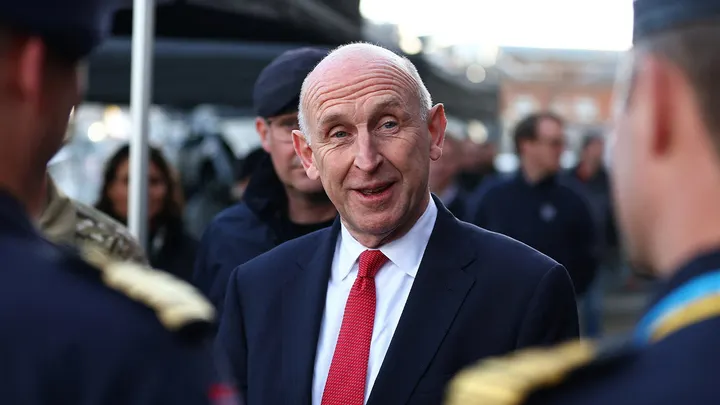
Defense Secretary John Healey confirmed that Washington formally requested access to British bases for what he described as a specific and limited defensive purpose. The UK government agreed.
However, Healey made it clear that Britain did not take part in earlier US and Israeli strikes on Iran. He emphasized that every British action focuses on defense and protection, not escalation.
Rising Tensions in the Region
Healey revealed that Iranian forces launched two missiles toward Cyprus, where the UK maintains sovereign base areas. At the same time, British forces remain on high alert across the Gulf.
The Royal Air Force reported that Typhoon jets flying from Qatar intercepted an Iranian drone heading toward Qatari airspace. British personnel also remain stationed at a naval facility in Bahrain, where Iranian missiles and drones have struck nearby zones.
Healey said UK forces continue to intercept drones that threaten British bases, troops, or allied interests. When asked whether Britain would join the US in offensive operations, he declined to speculate.
Strategic but Limited Cooperation
Officials described the arrangement as tightly defined. The UK granted permission strictly for limited defensive strikes tied to missile capabilities. Leaders framed the decision as necessary to counter direct threats while avoiding deeper military involvement.
The move reflects close US UK coordination during a period of heightened regional tension. At the same time, British officials continue to draw a firm line between defensive measures and broader combat operations.