
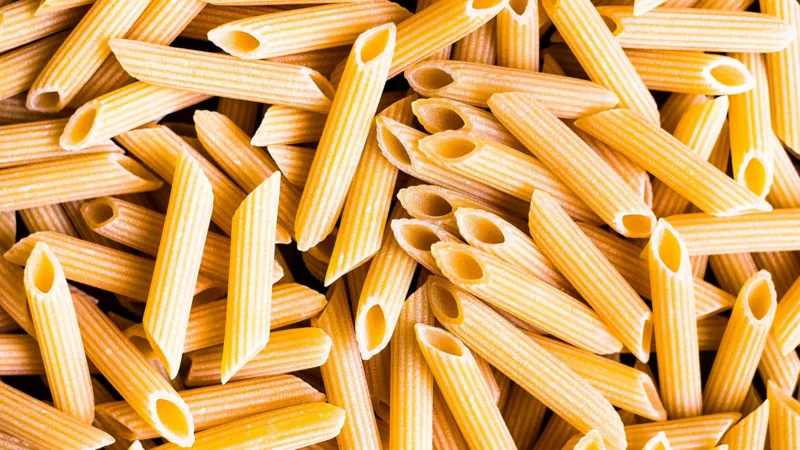
Italian Pasta Avoids Heavy US Import Taxes
Italian pasta exports to the United States have received major relief after the US government reduced steep tariffs it had planned to impose on 13 Italian producers. The earlier proposal could have pushed import taxes beyond the actual value of the pasta, raising serious concerns about higher prices for American consumers.
On Thursday, Italy’s foreign ministry confirmed that the US had significantly lowered the proposed tariff rates. This decision followed discussions between US officials and Italian companies, which appear to have addressed key concerns raised by American authorities.
Why the Tariffs Were Proposed
The US Commerce Department had previously accused several Italian pasta makers of selling their products in the US at unfairly low prices. This practice, often called dumping, can harm local manufacturers by undercutting domestic goods.
As a result, US officials had considered imposing tariffs of nearly 92 percent on pasta imported from the affected companies. When combined with the existing 15 percent tariff applied to many European Union products, total import taxes on Italian pasta could have exceeded 100 percent.
Risk of Higher Prices for US Consumers
Such high tariffs would likely have caused sharp price increases for shoppers across the US. Economists have repeatedly warned that aggressive trade taxes often raise costs for consumers rather than protecting them.
While the 13 companies represent only a small portion of total Italian pasta imports, the proposed move still triggered widespread concern within the food industry and among trade analysts.
Tariff Rates Now Reduced
Italy’s foreign ministry welcomed the decision, calling it recognition of the constructive cooperation shown by Italian pasta producers. According to the ministry, some brands will now face much lower tariffs.
A spokesperson for the US Commerce Department confirmed that Italian producers had responded to many of the issues raised during the preliminary review.
Political and Trade Impact
The move also helps ease political pressure on Italian Prime Minister Giorgia Meloni, who maintains a relatively positive relationship with President Donald Trump compared to other European leaders.