
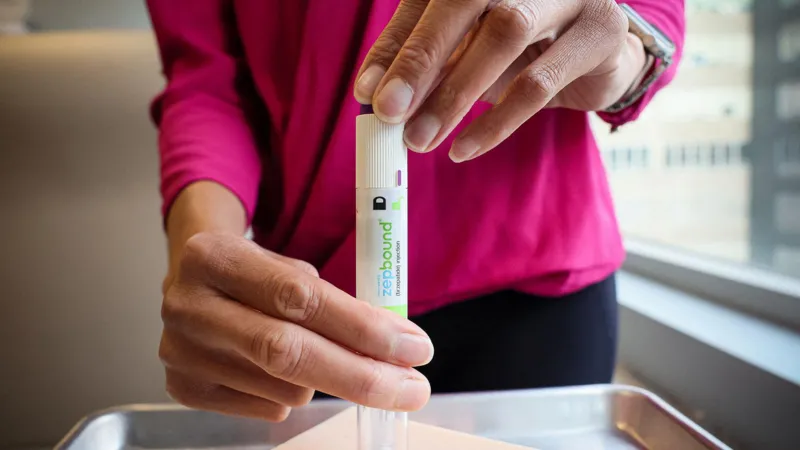
As they try to compete in a rapidly growing market, drug companies are cutting the prices of weight loss medications. The rising rate of obesity has led to a high demand for these drugs.
Zepbound was launched at a cost of more than $1000 per month. Some patients now pay as little as $300 or less. Some patients are now paying less than one hundred forty-nine dollars for Wegovy, compared to the sixteen hundred dollar price tag at launch.
To reach consumers, companies have reduced their prices, launched direct sales platforms and partnered up with large retailers.
Patients change their lifestyles in order to pay for treatment
Despite price reductions, many users are still unable to afford the medicines. Patients have reduced their daily expenditures, cancelled subscriptions and switched to lower-cost phone plans to keep treatment going.
One patient reported major health improvements after starting treatment. Weight loss and a return to normal blood pressure within weeks was accompanied by a significant drop in weight. The health benefits of these changes helped to reduce the risk associated with liver and sleep-related conditions.
Insurance gaps push direct payment model
Many US insurers still don’t cover drugs that help with weight loss for those who are obese. Many patients are forced to pay for their medications out-of-pocket.
Due to this gap, pharmaceutical firms now sell directly direct to consumers. The companies also partner with major retail chains in order to reduce costs and simplify the access.
This shift, according to experts, makes prices more visible. This also decreases the influence that pharmacy middle groups have on negotiating drug prices with manufacturers and insurers.
Direct access is gaining in popularity as a policy topic
Direct buying of medicines is gaining popularity among policy makers. New government-backed websites connect patients with drug manufacturers directly.
Others believe that this could improve the transparency of prices. Others, however, believe that it does not provide a complete solution to long-term healthcare affordability.
The key concern is coverage
Many patients cannot still afford to pay for treatment, even if prices are lower. Many patients lose their insurance and have to stop or stretch out medication.
The health advocates say that a wider coverage of insurance would have a greater impact than relying solely on market pricing. According to them, access should be based on need for medical care rather than financial ability.
In the future, some programs such as limited Medicare trial coverage may be expanded. This could also influence private insurance companies, according to experts.