A deadly attack shakes villages near Nablus
The violence in the West Bank occupied is increasing rapidly, and Palestinians are warning their families that they no longer feel safe at home. Armed Israeli settlers destroyed homes in the village of Deir al Hatab near Nablus.
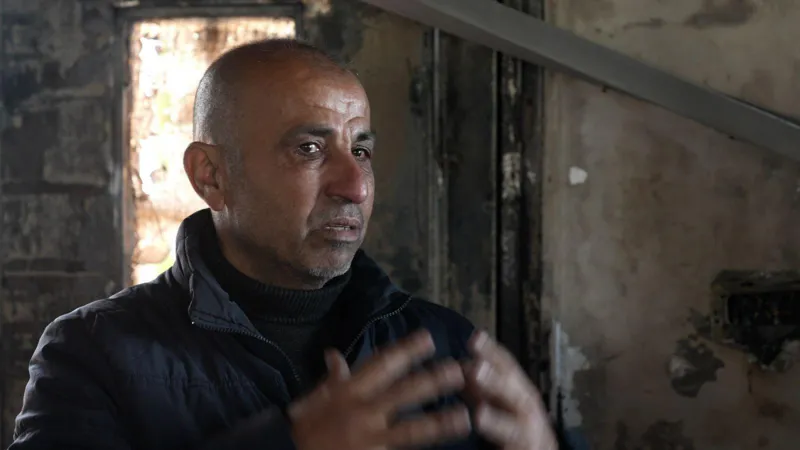
Barhan Omar is a bank manager in the area. He described how local settlers shot at his home and set it ablaze. His children and he survived by hiding up on his roof. The attackers were large and organized. This made it even scarier.
The attack resulted in at least 10 injuries. The majority of the victims were injured by stone, but one person was shot. Residents of the village said they had never seen such violence.
Trigger incident and rising tensions
Violence broke out after the burial of Yehuda, a 18-year-old boy from Elon Moreh. The crash that killed him involved a Palestinian. Palestinians call it an accident, but Settlers insist it was an assault.
Reports show that settler violence has increased in the West Bank since the Iran-related tensions began.
Expansion Into New Areas
Most of the attacks took place in Area C where Israel is fully responsible. Violence is now spreading to Area B where civil affairs are handled by the Palestinian Authority.
The shift in policy isn’t random, say rights groups. Some critics say it is part of a larger plan to push Palestinians from key areas and expand the settlements.
Global Reaction and Political Pressure
state.Bezalel Schmotrich, the Israeli finance minister has publicly supported the expansion of settlements. He also called to end the concept of a Palestinian State.
unacceptable.Eyal Zaid, the Israeli chief of military, condemned violence and called it inacceptable. Local residents say security forces are often slow to react or fail to respond during an attack.
The Fear of the Next
New outposts of settlers are appearing near villages, and residents fear further attacks. Others feel unprotected and surrounded.
Barhan Omar warns that increasing pressure could cause wider unrest. He stated that Palestinians would continue to defend both their lives and land despite growing threats.