
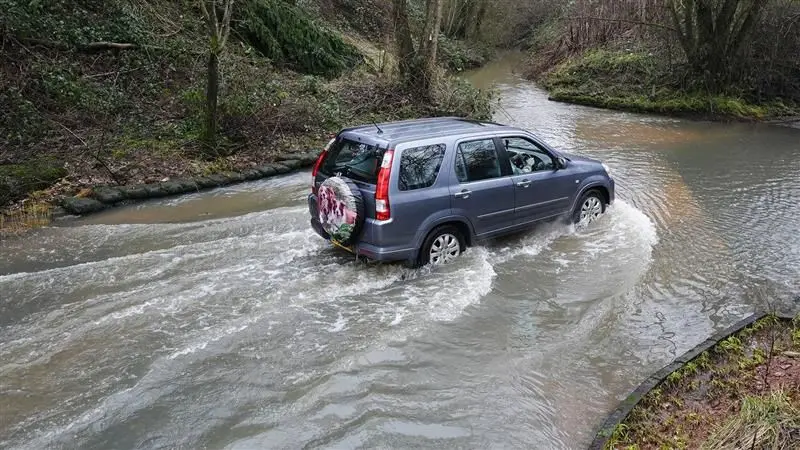
Heavy rain has soaked the UK again. From Cornwall to County Down, many areas recorded their wettest January ever. February brought more downpours, adding pressure to already saturated ground.
Weather experts say this may not be a one off event. Wetter winters are becoming more common across the UK.
Why Is So Much Rain Falling?
Meteorologists link the recent flooding to a blocked weather pattern. A high pressure system over Scandinavia has trapped storm systems over the UK. As a result, rain clouds cannot move away easily.
But this pattern tells a bigger story.
Climate change plays a key role. When we burn fossil fuels such as coal and oil, we release greenhouse gases into the atmosphere. These gases trap heat and warm the planet.
Even small temperature increases matter. For every 1°C rise in global temperature, the atmosphere can hold about 7 percent more moisture. More moisture means heavier rainfall.
This is one reason the UK now faces more intense winter rain than in the past.
Wet Winters Are Becoming More Frequent
The Met Office reports that six of the ten wettest winters in nearly 250 years happened during this century. That is a clear shift.
In the past, winters like 2023 to 2024 occurred roughly once every 80 years. Today, they happen about once every 20 years. If global warming continues, these extreme wet winters could become even more common.
Natural weather patterns still influence UK rainfall. However, long term data shows a steady trend toward wetter winters.
Rising Sea Levels Increase the Risk
Rain is not the only concern.
Sea levels around the UK have risen by about 20 centimeters since 1901. Warmer oceans expand. Melting glaciers also add more water.
This rise may sound small, but it increases flood risk. When storms hit during high tide, coastal communities face stronger tidal surges. The combination of heavy rain and rising seas makes flooding worse.
Communities and Farmers Feel the Pressure
Flood warnings continue across the country. At one point this week, more than 100 areas faced official alerts. The Environment Agency confirmed that over 300 homes flooded.
Farmers are under severe strain. One Somerset farmer said he is living on a knife edge. His crops sit in floodwater and may rot within days.
Flooding also disrupts transport, damages homes, and threatens food supply chains. Insurance costs may rise. Infrastructure faces growing pressure.
Are These Wetter Winters Here to Stay?
Climate projections suggest yes.
Unless greenhouse gas emissions fall sharply, the UK will likely see more wet winters and frequent flooding. Scientists warn that warming will intensify rainfall patterns further.
The key question is no longer whether winters are changing. The focus now shifts to how communities adapt.