
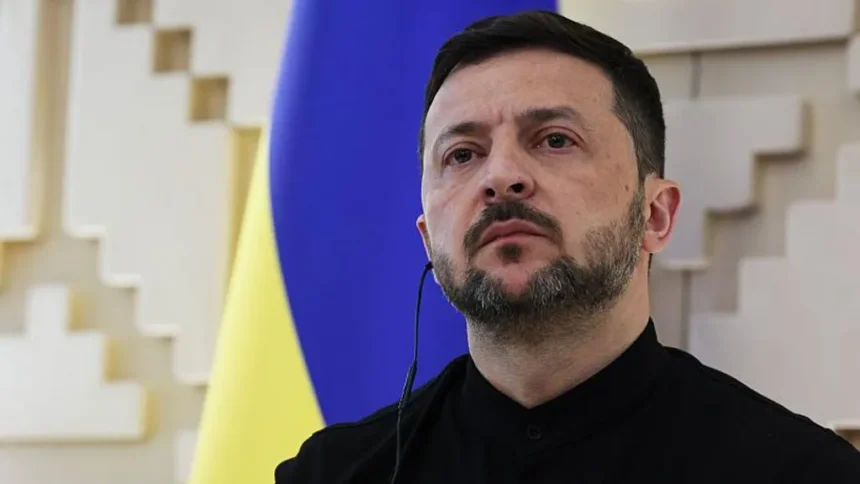
Peace negotiations in Geneva between the United States and Ukraine have ended with both sides noting “progress,” even though major gaps remain—especially on issues of territory and security guarantees.
Ukrainian President Volodymyr Zelensky praised the diplomatic steps taken so far but stressed that the biggest obstacle is Vladimir Putin’s demand that Ukraine legally recognize the Russian-occupied areas in eastern Ukraine. Zelensky warned that agreeing to such terms would violate Ukraine’s sovereignty and reward Russia’s military aggression.
Meanwhile, former US President Donald Trump hinted online that positive developments “may” be happening but advised the public to wait for concrete results.
Notably, Russia did not participate in the Geneva talks. The Kremlin said it had not received any updates about the outcomes, though it acknowledged that changes were made to an earlier peace proposal supported by Putin.
The initial 28-point peace plan, prepared by US and Russian officials, alarmed Kyiv and several European governments due to provisions seen as favoring Moscow. Trump’s comments—suggesting Ukraine had only days to accept the deal or risk losing US support—further heightened pressure across Europe.
US Secretary of State Marco Rubio said the talks produced “tremendous” progress, expressing optimism that an agreement could be reached. In contrast, European leaders took a more cautious tone. Polish PM Donald Tusk questioned whether the world was truly closer to peace, while German Chancellor Friedrich Merz warned that the negotiation process would be long and difficult.
European nations scrambled to respond last week after reportedly being blindsided by the US-Russia draft. A counter-proposal from the UK, France, and Germany rejected recognizing Russian-held regions, supported a larger Ukrainian military, and kept the option of NATO membership open. Moscow dismissed this plan as “unconstructive.”
Russia continues to demand Ukraine’s full withdrawal from the Donbas, but Kyiv insists that giving up territory would only invite future attacks. Zelensky has repeatedly argued that surrendering the Donbas would undermine both Ukraine’s security and international principles of territorial integrity.
The next steps remain uncertain. Zelensky is expected to speak directly with Trump soon, after which a revised peace proposal may be presented to Moscow. The Kremlin confirmed there are no scheduled meetings this week between US and Russian negotiators.
UK Prime Minister Sir Keir Starmer said more work is needed to achieve a “just and lasting peace,” noting that a virtual meeting of allied nations will be held on Tuesday to discuss the latest developments.
#UkraineWar #Zelensky #RussiaUkraine #PeaceTalks #GenevaTalks #GlobalPolitics #USUkraine #EasternEurope #InternationalRelations #WorldNews #BreakingNews #Diplomacy #UkraineSovereignty #NoTerritorialConcessions #Geopolitics