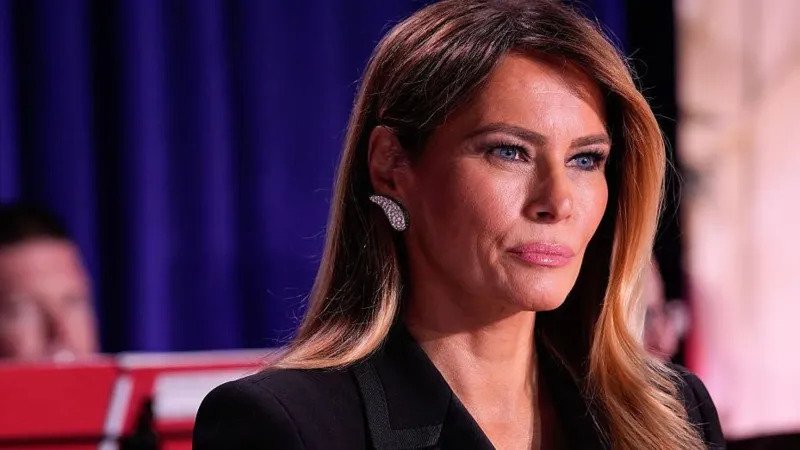
Melania Trump Slams Jimmy Kimmel Over “Widow” Joke
Melania Trump has strongly criticized late night host Jimmy Kimmel after he made a controversial joke about her just days before a shooting incident at a high profile Washington event. She described his remarks as hateful and dangerous, and called on ABC to take action.
The backlash began after Kimmel joked about Melania during a monologue ahead of the White House Correspondents’ Dinner. He referred to her as having “a glow like an expectant widow,” a comment that quickly drew criticism once a real life shooting took place at the same event days later.
Shooting Incident Intensifies Controversy
The situation escalated after a gunman opened fire near a security checkpoint during the dinner at the Washington Hilton. Authorities later identified the suspect as Cole Tomas Allen, who was subdued by security agents before reaching the main ballroom.
Melania Trump and former President Donald Trump were present at the event but were safely evacuated. The incident added weight to criticism of Kimmel’s earlier joke, with many arguing that such remarks can contribute to a tense political climate.
Melania and Trump Demand Accountability
In a public statement, Melania Trump said that figures like Kimmel should not be allowed to “spread hate” into people’s homes. She urged ABC to take a firm stand, calling his behavior unacceptable and harmful.
Donald Trump also reacted strongly. He described the joke as a “call to violence” and demanded that Kimmel be removed from his show. Several political figures echoed similar concerns, saying that public discourse should avoid language that could be seen as inflammatory.
Past Controversies Resurface
This is not the first time Jimmy Kimmel has faced backlash. In a previous incident, he made remarks about the death of conservative commentator Charlie Kirk. The comments led to a temporary suspension of his show. He later returned and acknowledged that some viewers found his remarks poorly timed.
The latest controversy has again sparked debate about the limits of satire, especially when it involves political figures and sensitive situations.