Food Labels and Their Impact on Health
The environment around us strongly shapes the food choices we make every day. Research shows that better food labeling and nutrition education can play an important role in helping people choose healthier meals.
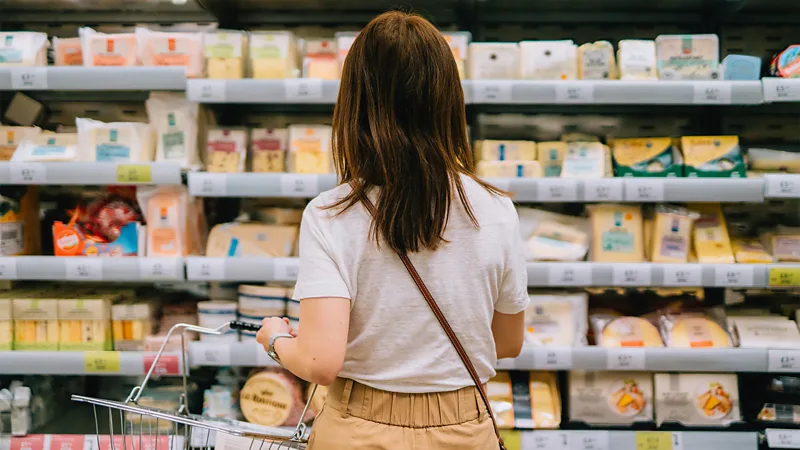
When you enter a typical supermarket, you are often surrounded by a wide range of ultra processed foods. Many of these products are heavily marketed and designed to attract attention, making them difficult to avoid. As a result, people are more likely to pick unhealthy options without fully realizing the impact on their health.
In many countries, average body weight has continued to rise. One major reason behind this trend is the increasing consumption of ultra processed foods, which are often high in sugar, salt, and unhealthy fats.
How Food Labels Influence Choices
Experts now understand that food packaging does more than just inform buyers. The way information is presented on labels can directly influence what people decide to purchase and consume.
Even small improvements in labeling can lead to noticeable changes in buying habits. When consumers are given clearer nutrition information, they are more likely to make healthier decisions.
The Role of the Food Environment
Many specialists describe the modern food environment as obesogenic, meaning it encourages weight gain. This includes how food is produced, advertised, and sold in stores and online.
Because of this environment, people are often guided toward unhealthy eating patterns without realizing it. However, research suggests that this trend can be reversed.
Solutions Through Policy and Awareness
Experts believe that improving public health will require more than just personal choice. Policy changes, better food regulations, and behavioral interventions can all help reduce obesity levels.
At the same time, educating people about nutrition can empower them to make smarter food decisions in their daily lives.