
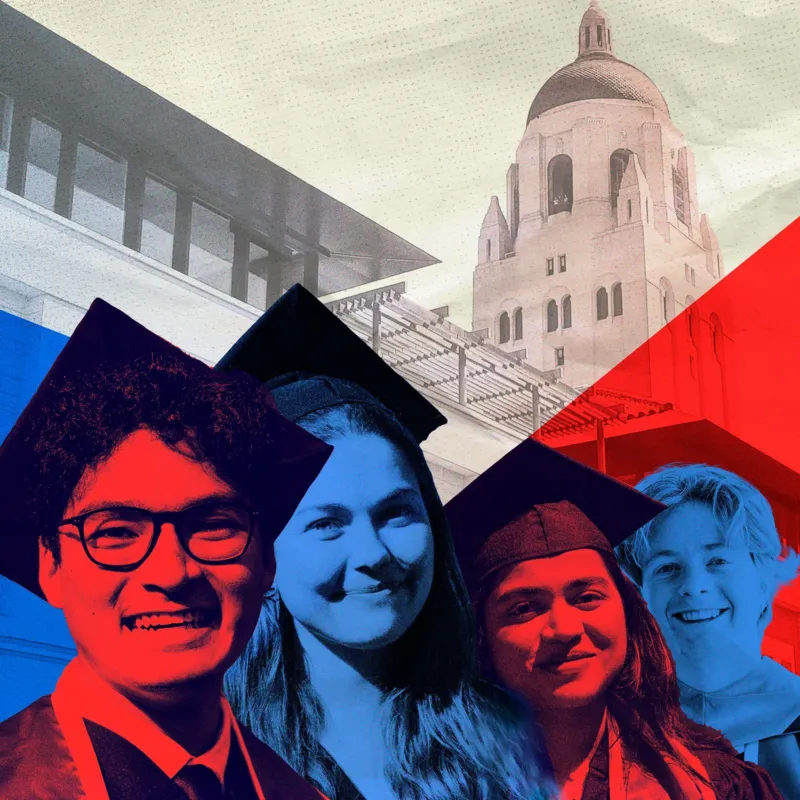
Artificial intelligence is becoming one of the most discussed topics among new college graduates. At Stanford University, one of the world’s leading technology institutions, the conversation around AI has sparked both excitement and concern.
During a recent commencement ceremony, Google CEO Sundar Pichai addressed graduating students and humorously acknowledged that many graduates were tired of hearing about AI. Despite the lighthearted remark, some students left the event during his speech. A few carried protest signs, while others displayed Palestinian flags to express their views.
AI Creates Excitement and Uncertainty
Stanford holds a special place in the technology world. Located in the center of Silicon Valley, the university has produced many entrepreneurs, engineers, and innovators who have shaped the modern tech industry.
However, the rise of AI has created mixed feelings among graduates. While many students see endless possibilities, others worry about how quickly the technology is changing industries and careers.
For graduates entering the workforce, AI is no longer a future concept. It is already influencing hiring decisions, workplace tasks, and business strategies across the technology sector.
Students See AI as a Powerful Tool
Computer science and AI graduate Ifdita Hasan believes artificial intelligence can bring significant benefits to society. She views AI as a tool that helps people discover new knowledge and solve complex problems.
According to Hasan, people often react cautiously when new technologies emerge. Similar concerns appeared during the early years of the internet. She encourages individuals to learn about AI and understand its potential rather than fear it.
After graduation, Hasan plans to complete her master’s degree before pursuing more advanced academic studies.
Concerns Grow Over Rapid Technological Change
Not every graduate shares the same level of optimism. Some students feel uncertain about how AI will affect future employment opportunities.
Graduate Atash Heil expressed concern about the speed of technological change. During their time at university, students witnessed AI evolve from an emerging technology into a powerful force capable of transforming entire industries.
Many graduates worry that businesses may increasingly automate tasks once handled by human workers. This uncertainty has left some students questioning what the job market will look like in the coming years.
The Future of Work in the AI Era
As artificial intelligence continues to develop, universities, businesses, and graduates face important questions about the future of work. While AI may create new opportunities, it could also disrupt traditional career paths.
Stanford graduates reflect the broader debate taking place across the technology industry. Some welcome AI as a tool for innovation and discovery. Others remain cautious about its long-term impact on jobs and society.
One thing remains clear: artificial intelligence is already shaping the future, and today’s graduates will play a major role in determining how that future unfolds.