Uganda has suspended all school trips after a tragic bus crash claimed the lives of 20 pupils and one adult. In a separate development, a Cardiff businesswoman has been sentenced to prison for fraudulently claiming more than £216,000 in Covid business support loans.
Both incidents have drawn attention to public safety and accountability. Officials in Uganda are reviewing school transport rules, while UK authorities continue to crack down on financial fraud linked to pandemic support schemes.
Uganda Halts School Trips After Tragic Bus Crash
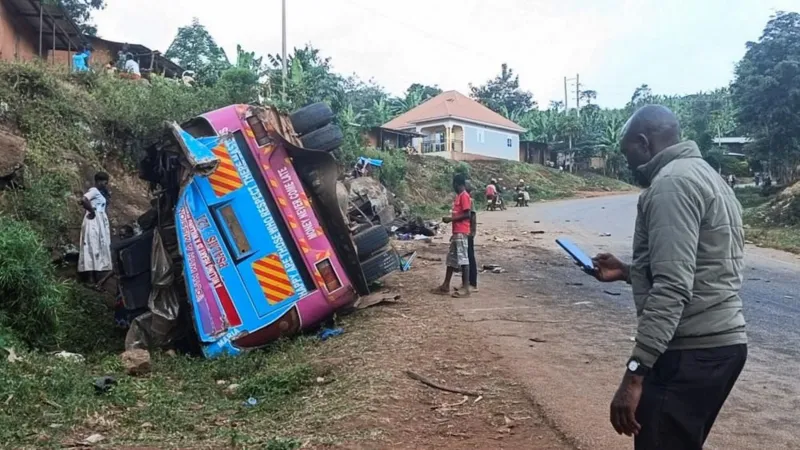
The Ugandan government announced a temporary ban on all school trips following a deadly accident in the Kapchorwa district on Thursday evening.
The bus was carrying pupils from King David Junior School in Ndejje after an educational tour. According to early findings, the vehicle developed a mechanical problem before the driver lost control while travelling down Chekwatit Hill.
The bus left the road, hit a large rock, and overturned. The crash killed 20 children and one adult. Several pupils and school staff also suffered injuries.
Authorities confirmed that the adult who died was the school’s founder and director, Tadeo Ssekade.
Education Minister John Chrysostom Muyingo said the suspension would remain in place until investigators complete their report. He stressed that protecting children must remain the government’s top priority.
The pupils had reportedly visited the famous Sipi Falls tourist attraction before beginning their return journey.
Road accidents remain a serious challenge in Uganda. Traffic officials say speeding, poor vehicle maintenance, and dangerous roads continue to cause thousands of deaths every year. The latest tragedy has renewed calls for stricter safety inspections and stronger transport regulations.
Cardiff Woman Sentenced for Covid Loan Fraud
In the United Kingdom, a Cardiff businesswoman has been jailed after fraudulently obtaining more than £216,000 through government backed Covid business support loans.
Rupali Wagh, 51, submitted several false loan applications between May and September 2020. Investigators found that she overstated the financial performance of her companies to qualify for larger loans.
Instead of using the money to support her businesses during the pandemic, she transferred much of it into her personal bank account.
The investigation revealed that she paid off credit card debt, invested heavily in stocks and shares, and transferred more than £25,000 to a bank account in India.
One application involved One2Four Accounting Ltd, where she claimed an annual turnover of £65,000. Financial records later showed the company earned about £39,000 during the relevant period.
She also secured a £50,000 loan for Talensetu UK Ltd by claiming the business generated £218,000 in turnover. However, investigators confirmed that the company was not actively trading at that time.
Authorities found that Wagh received a total of £216,250 through five Bounce Back Loans and two additional business loans. The scheme allowed businesses to receive only one Bounce Back Loan.
At Merthyr Tydfil Crown Court, Judge David Wynn Morgan described her actions as dishonest and driven by personal financial gain. The court sentenced her to two years and three months in prison.
Officials said the case highlights the importance of protecting public funds that were created to help genuine businesses survive the financial impact of the Covid pandemic.
Authorities Respond to Two Separate Incidents
Although these events happened in different countries, both have prompted action from government authorities.
Uganda is reviewing school transport safety following one of its deadliest bus accidents involving children in recent years. Meanwhile, UK investigators continue to pursue people who misuse public financial support schemes.
Both cases serve as reminders of the importance of safety, responsibility, and accountability in protecting lives and public resources.