
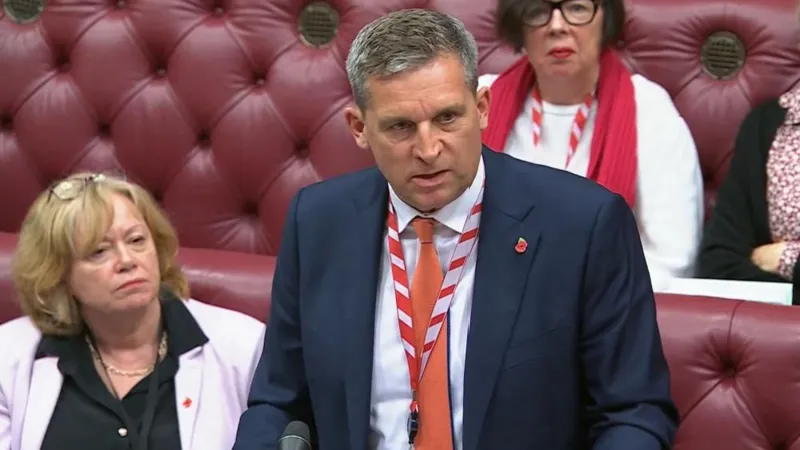
Lord James Timpson has stepped down as prisons minister after serving in the government for almost two years. His resignation marks the end of a period that focused on prison reform, reducing overcrowding, and improving rehabilitation across England and Wales.
Timpson joined the government in July 2024 after leaving his position as chief executive of the Timpson Group. Before entering politics, he earned recognition for giving employment opportunities to hundreds of former prisoners. Many people viewed his appointment as a fresh and practical approach to criminal justice reform.
Although his resignation statement did not explain the exact reason for his departure, sources suggest he believes he has achieved as much as possible in the role. He described serving as prisons minister as a great honour and expressed pride in the progress made during his time in office.
Focus on Prison Reform
When Lord Timpson took office, prisons across England and Wales faced severe overcrowding. Many facilities were close to full capacity, creating major challenges for the justice system.
To address the crisis, the government introduced an early release programme that allowed thousands of eligible inmates to leave prison sooner. Officials said the move helped create additional space while supporting the wider prison system.
The decision attracted criticism from some groups, who argued that prisons still struggle with violence, illegal drugs, and overcrowding. Others also raised concerns about the growing workload faced by probation officers.
Improvements During His Time in Office
Despite the criticism, official figures showed positive changes during Lord Timpson’s leadership. Reports indicated that incidents of self harm, violence, and assaults on prison staff declined.
He also stated that prison and probation services performed better than when he first entered office. According to Timpson, around 75 percent of prisons and 90 percent of probation teams improved during his tenure.
Another achievement he highlighted was helping reduce the number of people leaving prison without stable accommodation. He described secure housing as an important part of successful rehabilitation and reducing repeat offending.
Support for Women in the Justice System
Lord Timpson also promoted reforms aimed at women in the criminal justice system. He supported alternatives to prison for many female offenders and backed programmes that focus on treatment, rehabilitation, and community support.
He said many women entering the justice system face addiction, trauma, and unstable living conditions. He believed community based support often provides better long term outcomes than custody.
Challenges Remain Ahead
His departure comes before the Sentencing Act 2026 is due to take effect in September. The legislation is expected to expand early release measures and increase the number of offenders serving sentences in the community.
Justice officials acknowledge that the incoming prisons minister will face significant challenges. Managing prison capacity, strengthening probation services, and continuing rehabilitation efforts will remain key priorities in the months ahead.
While opinions differ on the success of Lord Timpson’s policies, his time in office brought major changes to prison management and sparked continued debate about the future of criminal justice reform.