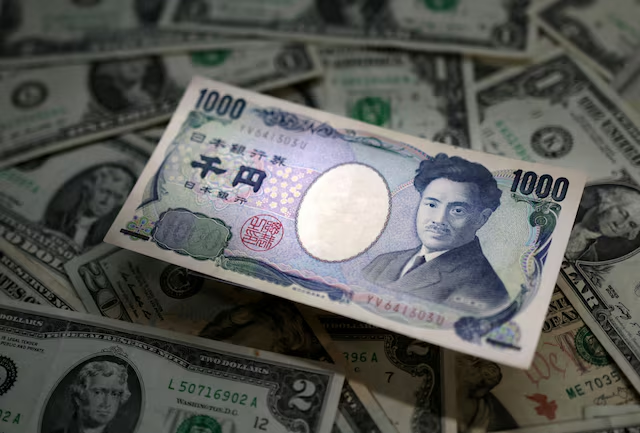
Japan spent a record 15.4 trillion yen, about $96.5 billion, in foreign exchange markets over the past month to support the yen, Finance Ministry data showed on August 28.
The move came after the yen fell close to 164 per U.S. dollar, its weakest level in about 40 years. Japan is trying to limit the impact of a weak currency on import costs, especially energy, while investors watch for further action from the government and Bank of Japan.
Quick Facts
| Detail | Information |
|---|---|
| What happened | Japan spent a record 15.4 trillion yen, about $96.5 billion, to support the yen. |
| Where | Foreign exchange markets |
| When | July 30 to August 26, 2026 |
| Data released | August 28, 2026 |
| Main organizations | Japan's Finance Ministry and Bank of Japan |
| Yen's low | Near 164 yen per U.S. dollar |
| Yen's recovery | The yen strengthened to 155.20 per dollar on August 3 |
| Current level | Around 159.50 yen per dollar, according to the supplied report |
| Why it matters | A weak yen increases import costs and puts pressure on Japan's economy and energy expenses. |
Japan Spends Record Amount to Support Yen
Japan has made its largest recorded currency intervention in a month as authorities attempt to slow the yen’s decline.
Finance Ministry data showed that Japan spent 15.4 trillion yen between July 30 and August 26. The intervention involved buying yen in the foreign exchange market.
The Bank of Japan intervened on July 30 and July 31. The action also involved unusual coordination with the United States, while South Korea timed its own intervention to support the won.
Yen Rebounds After Japan’s Currency Intervention
The yen initially strengthened after the intervention. It moved from around 163 per dollar to as high as 155.20 on August 3.
The currency later weakened again and settled around 159.50. It had remained near that level since August 10, according to the supplied report.
The Finance Ministry’s latest figure covers the period from July 30 through August 26. A detailed daily breakdown is expected with quarterly data, probably in early November.
Earlier Bank of Japan data suggested that intervention on July 30 could have reached 9.6 trillion yen. That figure still requires confirmation through the detailed official data.
Japan has faced prolonged pressure on the yen because Japanese interest rates remain relatively low compared with rates in countries such as the United States.
The Bank of Japan kept its policy rate unchanged at its July meeting. At the same time, policymakers have indicated that they may increase the pace of monetary tightening.
Markets were assigning a 65% chance of a rate increase at the Bank of Japan’s September meeting, according to the information provided. This is a market expectation and not a confirmed decision by the central bank.
Japan Watches Yen as Rate Decision Nears
Future currency intervention data will also provide more information about how much Japan spent on individual days.
Japan’s record 15.4 trillion yen intervention shows the government’s concern about the yen’s sharp decline.
The currency has recovered from its late July low, but pressure remains. Future Bank of Japan decisions and possible government intervention will be important for the yen and Japan’s economy.