Brazilian President Luiz Inácio Lula da Silva has welcomed an exploratory oil discovery off the coast of Amapá, in northern Brazil. Petrobras confirmed hydrocarbons at its Morpho exploratory well in the Foz do Amazonas Basin, part of Brazil’s Equatorial Margin.
The find is significant for Brazil’s offshore exploration plans, but it is not yet a confirmed commercial oil field. Petrobras is continuing its evaluation to determine the size and potential of the discovery.
The Morpho well is located in Block FZA M 59, about 175 kilometres off the coast of Amapá. The drilling area is in ultra deep water, at a depth of about 2,886 metres.
Petrobras identified hydrocarbons through well logging and rock indications while drilling continued. The company said the operation remains focused on evaluating the discovery.
The company has not yet announced how much oil the well may contain. Petrobras President Magda Chambriard said the discovery supports the company’s positive expectations for the Equatorial Margin.
Lula Calls Discovery Important for Brazil
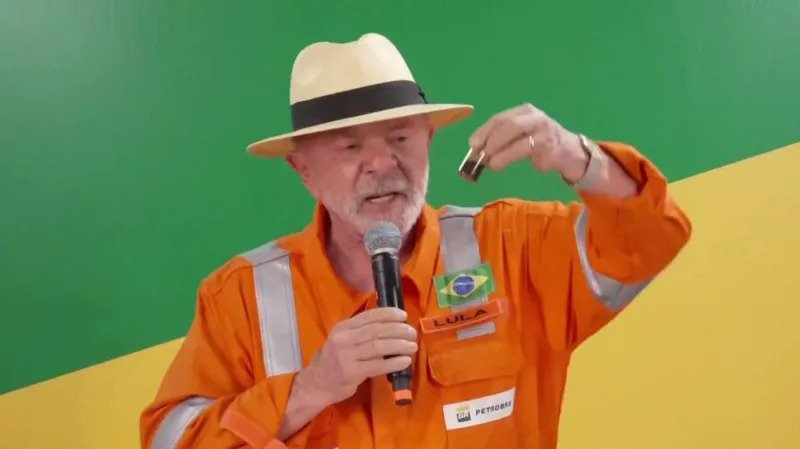
Lula visited the Petrobras drilling operation and welcomed the discovery as a potential source of economic development.
He described the find as “a passport to the country’s future“ and argued that Brazil should be able to develop its natural resources while continuing its energy transition.
Lula also defended the project on national sovereignty grounds.
“This means national sovereignty. Any country which has oil of this quality won’t allow anyone to butt in,” he said.
The president has maintained that Brazil can continue developing oil resources while investing in renewable energy and biofuels.
Environmental Concerns Continue
The Equatorial Margin has been the subject of strong environmental debate for years.
Environmental groups have raised concerns about the possible impact of offshore oil activity on marine ecosystems and coastal areas. The concerns became particularly prominent when Brazil approved exploratory drilling ahead of the COP30 climate conference.
Petrobras says the current exploration operation is being carried out with environmental and safety measures in place. The company has also established emergency resources for the drilling operation.
The debate reflects a wider challenge for Brazil. The country wants to expand renewable energy and reduce its dependence on fossil fuels, while also looking for new oil reserves to support future energy demand.
The Discovery Is Still Being Assessed
Finding hydrocarbons during exploration does not automatically mean that a commercially producing oil field has been established.
Petrobras is continuing drilling and analysis at the Morpho well. The company needs additional information before it can determine the scale and potential of the resource.
Petrobras has also indicated that further exploration is planned in the Equatorial Margin. Its current plans include significant investment in exploration across the region through 2030.
Why the Discovery Matters
The find gives Petrobras new information about the oil potential of the Equatorial Margin, an offshore area that has become an important exploration frontier for Brazil.
For the Brazilian government, the region could eventually contribute to energy security and economic development if further exploration produces commercially viable resources.
For environmental groups, however, expanded oil exploration raises concerns about the risks associated with developing fossil fuel resources in an environmentally sensitive region.
What Happens Next
Petrobras will continue evaluating the Morpho well and the hydrocarbons identified during drilling.
The company will need further technical results before the size and potential of the discovery can be established. Any future move from exploration to oil production would also require additional regulatory and environmental approvals.
Lula has welcomed the exploratory oil discovery off Amapá as an important development for Brazil’s energy future. However, Petrobras is still assessing the find, and it is too early to describe it as a confirmed commercial oil field.
The results of further exploration will determine whether the discovery can eventually become a producing oil resource.