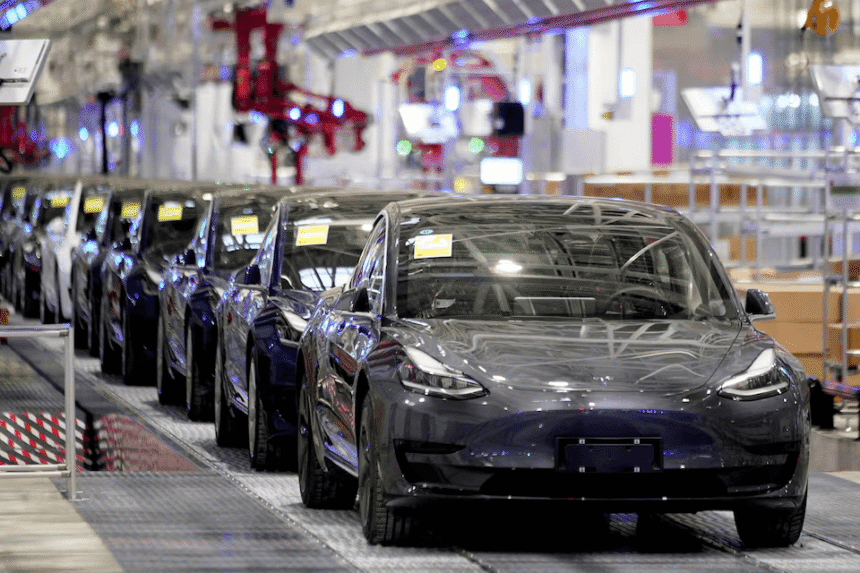
China has launched its largest automotive recall campaign after safety concerns involving emergency door releases. Tesla and 10 other automakers will recall nearly 4.3 million vehicles across the country.
The recalls focus mainly on emergency door handles that drivers, passengers, or rescuers may struggle to find or operate after a serious crash. Several companies will use software updates and warning labels to reduce the safety risk.
Quick Facts
| Detail | Information |
|---|---|
| What happened | China launched its largest automotive recall campaign |
| Where | China |
| When | August 21, 2026 |
| Who is involved | Tesla and 10 other automakers |
| Total vehicles | Nearly 4.3 million |
| Tesla vehicles | About 2.98 million |
| Main concern | Emergency door releases may become difficult to identify or operate |
| Main fixes | Warning labels, software updates, and improved door handle markings |
| Tesla recall start date | September 25, 2026 |
| Future regulation | China plans to ban concealed door handles from 2027 |
China Launches Record EV Recall
Tesla and other major automakers have started a huge vehicle recall in China. The campaign involves nearly 4.3 million vehicles.
The main concern involves emergency mechanical door releases. These handles can become difficult to identify during a serious accident. An electrical failure can make the problem more serious.
Passengers may need to leave the vehicle quickly after a crash. Emergency workers may also need to open the doors from outside. If people cannot find the emergency release, rescue efforts could take longer.
The recall affects several major electric vehicle brands. Tesla accounts for the largest share of the campaign.
Tesla Recalls Nearly 3 Million Vehicles
Tesla will recall about 2.98 million vehicles in China. The recall includes both China made and imported vehicles.
The affected models include the Model 3, Model Y, Model S and Model X.
China’s market regulator said Tesla will begin this recall on September 25. The company will add warning labels and provide an over the air software update.
The software update will automatically lower the vehicle windows after certain serious collisions. This feature could help occupants and rescuers gain easier access to the vehicle.
The official Chinese regulator lists more than 973,000 China made Model 3 vehicles and more than 1.95 million China made Model Y vehicles in the recall. It also lists imported Model 3, Model X and Model S vehicles.
Xiaomi, Leapmotor and Xpeng Also Affected
Tesla is not the only company involved.
Xiaomi will recall about 390,000 SU7 electric vehicles. China’s regulator said the emergency mechanical handles in affected vehicles can look too similar to the surrounding interior.
The company will add warning labels and update software through its over the air system. The update will improve the central locking logic and window lowering strategy.
Leapmotor will recall about 371,000 vehicles. Xpeng will recall about 264,000 vehicles, according to the latest reporting.
Geely and other manufacturers also filed recall plans with Chinese regulators. Some of these campaigns involve smaller numbers of vehicles.
Many modern electric vehicles use concealed or flush door handles. These designs can improve the appearance of a vehicle and reduce aerodynamic drag.
However, emergency situations create a different challenge.
A driver or passenger may know how to open the door during normal driving. A person outside the vehicle may not know where the emergency release sits.
A serious crash can make the situation even harder. If the vehicle loses electrical power, electronic door controls may not work normally.
Rescuers then need to locate the mechanical release. If the handle blends into the interior, they may lose valuable time.
Chinese regulators are now paying closer attention to this issue.
China Plans to Ban Concealed Door Handles
China has also announced plans to ban concealed vehicle door handles from 2027.
The decision could have a major effect on the design of future electric vehicles. Tesla helped popularize flush and concealed door handles, and many Chinese EV manufacturers later adopted similar designs.
The planned change shows that Chinese regulators are placing greater importance on emergency access and vehicle safety.
It could also push automakers to redesign exterior and interior door release systems.
What Triggered the Safety Focus?
The safety debate gained attention after several serious vehicle fires and crashes.
Chinese state media reported an incident involving a Xiaomi SU7 in which the driver died after a crash and fire. Passersby reportedly struggled to open the vehicle doors.
The incident increased public attention on emergency door releases and the ability of people outside a damaged vehicle to reach occupants.
The latest recall does not mean every affected vehicle will experience a door failure. Instead, regulators identified a potential safety problem that could become serious under specific crash and electrical failure conditions.
Software Updates Are Playing a Bigger Role
The recall also shows how vehicle manufacturers now handle safety problems differently.
In the past, many recalls required owners to take their vehicles to a service center. Technicians often had to replace physical parts.
Modern electric vehicles can receive many software changes remotely.
Tesla and other automakers can therefore fix some parts of the problem through over the air updates. Warning labels or physical markings may still require additional work.
Industry research firm AutoForecast Solutions said software updates can reduce the cost and downtime associated with some modern recalls.
China Increases Pressure on the EV Industry
The recall comes as China increases safety oversight of its fast growing electric vehicle industry.
Chinese automakers are competing heavily on price, technology and features. Companies are also introducing more software based functions and new vehicle designs.
As vehicles become more dependent on software and electronic systems, regulators face new types of safety risks.
China’s market regulator has increased its attention on vehicle defects and safety issues. Its 2025 recall report also showed the scale of China’s recall system, with 190 automotive recalls involving about 6.85 million vehicles during that year.
The latest campaign is much larger than a typical individual recall because several manufacturers announced actions at the same time.
Why the Recall Matters
The recall matters because it affects millions of vehicle owners.
For Tesla owners, the campaign involves nearly 3 million vehicles. Owners may receive software updates and information about warning labels.
For other EV owners, the recall highlights the importance of understanding emergency door release systems.
The issue also matters to the wider automotive industry. Manufacturers may need to reconsider how they design door handles and emergency controls.
Safety regulators in other countries could also study the issue as electric vehicles become more common.
The United States has already examined concerns about emergency vehicle access during electrical failures.
What Happens Next and Conclusion
Tesla’s recall in China will begin on September 25, 2026. Owners may receive software updates or warning labels to improve emergency door access.
The recall affects nearly 4.3 million vehicles, while China’s planned 2027 ban on concealed door handles could push automakers toward safer and easier-to-use designs.