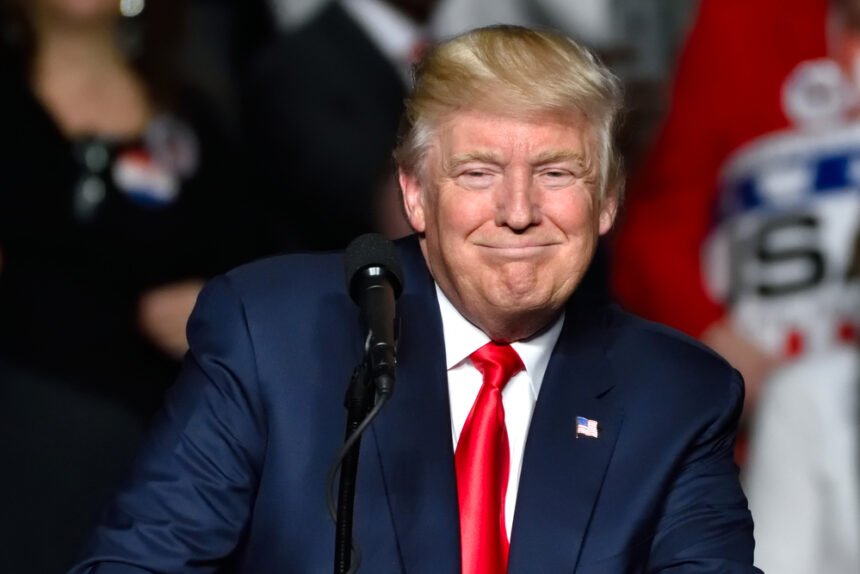
President Donald Trump has rejected calls for stronger artificial intelligence safeguards. He argues that excessive regulation could weaken the United States in its technology race with China.
The debate comes as AI companies face growing pressure over safety, jobs, data centers and national security. At the same time, rising oil prices and higher Treasury yields are adding fresh pressure to the US economy.
Quick Fact
| Detail | Information |
|---|---|
| What happened | Trump rejected calls for stronger AI guardrails. |
| Where | United States |
| When | September 14, 2026 |
| Who is involved | Donald Trump, Anthropic, OpenAI, Elon Musk, Congress and federal officials |
| Current status | The debate over AI safety and regulation is intensifying. |
| Why it matters | AI policy could affect national security, jobs, technology investment and US competition with China. |
Trump says the United States must keep its lead in artificial intelligence. He argues that slowing development could allow China to gain an advantage.
The president also dismissed growing criticism of AI development. He said strong presidential leadership can provide the necessary oversight.
His comments came after Anthropic CEO Dario Amodei called for a slower pace of AI development. Amodei warned that safety measures need time to catch up with rapidly advancing AI systems. OpenAI CEO Sam Altman and Elon Musk have also expressed support for greater caution.
The AI debate has now moved deeper into Washington.
House Speaker Mike Johnson has called for discussions involving the administration and lawmakers. He has suggested that leaders should work together before Congress takes major action.
Democratic lawmakers want stronger oversight. House Democratic Leader Hakeem Jeffries has backed further discussion of an AI emergency control proposal.
Senate Democratic Leader Chuck Schumer has also called for more information about AI safety. He wants Congress to understand how the administration plans to protect national security and prevent advanced technology from reaching China.
Treasury Yields Rise as Oil Prices Add Inflation Pressure
Financial markets are also dealing with higher energy costs.
The US 10 year Treasury yield moved above 5% on Monday. That marked its highest level since 2023 and added pressure to borrowing costs.
Higher Treasury yields can increase the cost of loans and mortgages. They can also put pressure on businesses and financial markets.
Rising oil prices have added to inflation concerns. Brent crude moved above $109 per barrel during Monday trading as fighting in the Middle East disrupted energy supplies.
US Diesel Prices Reach a Record
American drivers are also feeling the impact of higher energy prices.
The average US price for regular gasoline has risen sharply over the past year. Diesel prices have climbed even faster.
Higher transportation costs can eventually affect the prices consumers pay for goods.
Oil Markets Watch the Middle East
Oil markets remain highly sensitive to developments in the Middle East.
Fighting and attacks on energy infrastructure have created concerns about global oil supplies. A key Saudi pipeline has also faced disruption, adding to concerns about alternative routes for moving crude.
The Strait of Hormuz remains another major concern for energy markets. Any prolonged disruption could place additional pressure on global oil prices.
For now, the situation remains uncertain. Oil traders continue to watch developments in the region closely.
Trump Faces Another Election Legal Challenge
The administration is also facing legal pressure over mail voting.
A federal judge ordered the US Postal Service to stop implementing parts of Trump’s executive order concerning mail ballots. The decision creates another legal obstacle as the Supreme Court considers related election disputes.
The case could affect how mail voting rules operate before the midterm elections.
EPA Plans Changes to Power Plant Rules
The Environmental Protection Agency is also preparing a major policy change.
The agency is expected to remove limits on planet warming emissions from coal and natural gas power plants. EPA Administrator Lee Zeldin has argued that the move could reduce costs for the energy industry.
Environmental groups are expected to challenge the policy in court.
Trump, AI, Markets and Policy Updates
• The president says maintaining America’s AI advantage over China remains a priority.
• Anthropic CEO Dario Amodei has called for a slower approach to AI development.
• Sam Altman and Elon Musk have expressed support for greater caution around advanced AI.
• AI stocks have faced pressure as investors consider the possibility of slower development.
• The US 10 year Treasury yield moved above 5%.
• US diesel prices reached a reported record of about $6.23 per gallon.
• Higher oil prices are increasing concerns about inflation.
• A federal judge has blocked implementation of Trump’s mail voting order while related legal issues continue.
• The EPA is preparing a major change to power plant emissions policy.
AI Policy, Markets and Economic Pressure
The AI debate is no longer limited to technology companies.
Government policy could influence how quickly AI companies build new systems. It could also affect data center construction, energy demand, employment and national security.
At the same time, higher oil prices and Treasury yields create economic pressure for households and businesses.
These issues are developing at the same time. That makes the coming weeks important for technology policy, financial markets and US politics.
AI Safety, Markets and Policy Ahead
Congress will continue debates over AI safety and regulation as the Supreme Court considers mail voting rules.
Markets are watching the Federal Reserve amid inflation and rising energy costs.
Oil prices remain sensitive to Middle East tensions. Trump opposes stronger AI guardrails as investors assess AI risks, growth and economic pressure.