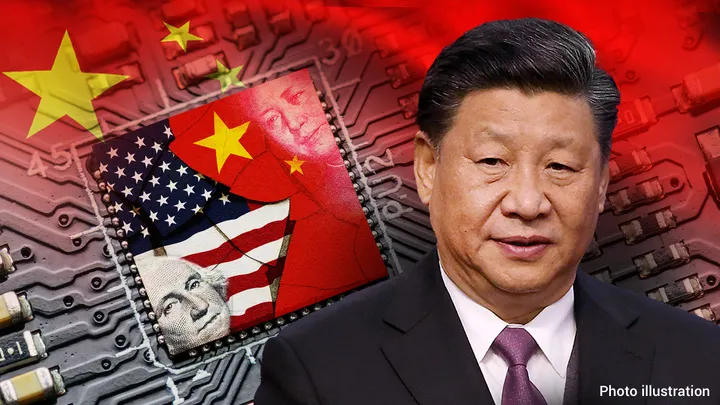
China has rejected US warnings about the risks linked to its artificial intelligence development. Beijing says political confrontation and claims about AI threats could damage international efforts to manage the technology.
The dispute comes as the United States and China compete for leadership in artificial intelligence, advanced technology, and other emerging industries. The competition could shape global economic and geopolitical power for years.
Quick Fact
| Detail | Information |
|---|---|
| What happened | China rejected US concerns about its artificial intelligence development. |
| Where | Beijing, China |
| When | Monday, according to the supplied report |
| Who is involved | China, the United States, and their technology sectors |
| Current status | Both countries continue to compete over AI and other advanced technologies. |
| Why it matters | AI leadership could influence economic growth, national security, and global technology supply chains. |
China Responds to US AI Concerns
Chinese Foreign Ministry spokesman Guo Jiakun pushed back against US warnings during a regular news briefing.
Guo said that creating threat narratives around AI and encouraging confrontation could hurt international efforts to establish effective AI governance.
His comments came after President Donald Trump argued that strict AI rules could make it harder for the United States to stay ahead of China.
Trump has stressed the importance of winning the global AI race. The debate has also grown within the United States as researchers and technology companies consider the possible risks of increasingly powerful AI systems.
US and China Compete for Technology Leadership
Artificial intelligence has become a major part of the wider technology competition between Washington and Beijing.
China has set long term goals for AI development. Its national AI strategy aims to make the country a global leader in the field.
Beijing has also invested heavily in areas such as advanced manufacturing, 5G, biotechnology, and other emerging technologies.
Technology Competition Extends Beyond AI
The rivalry involves more than artificial intelligence.
Quantum computing and biotechnology could also transform industries and national security. Control over important technology supply chains may become increasingly important.
Supporters of stronger US action argue that Washington needs policies that help American companies compete globally. They also point to concerns over intellectual property theft and technology transfers involving China.
Calls for More Support for American Innovation
The supplied policy argument calls for greater support for US technology companies and startups.
Possible measures include tax incentives, public private partnerships, direct investment, and easier access to capital.
Another recommendation involves expanding the role and authority of the Committee on Foreign Investment in the United States, known as CFIUS.
The AI competition between the United States and China could affect much more than the technology sector.
AI can influence manufacturing, healthcare, communications, finance, defense, and scientific research. Leadership in these areas could bring major economic benefits.
At the same time, governments face a difficult balance. They want to encourage innovation while addressing concerns about safety, security, privacy, and the responsible use of AI.
The debate over regulation will therefore remain an important part of the US China technology rivalry.
US China AI Rivalry Shapes Global Technology
The United States and China are likely to continue competing over AI, advanced computing, telecommunications, and other strategic technologies.
Washington faces pressure to support innovation while protecting national security and intellectual property. Beijing, meanwhile, continues to pursue its goal of becoming a major global technology power.
The future direction of AI policy could influence how quickly both countries develop the next generation of technology.
The disagreement highlights a much larger technology rivalry. As the United States and China compete for AI leadership, their policies could have lasting effects on the global economy, technology industry, and international relations.