
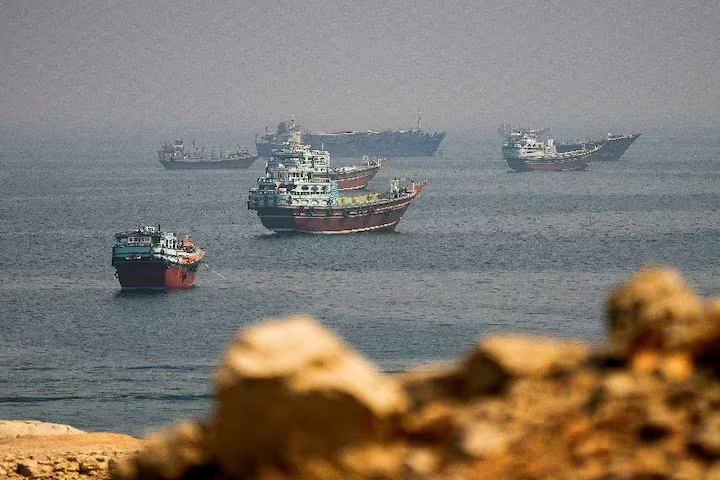
Rising tensions across the Middle East are creating fresh risks for global oil markets. Attacks on shipping routes, pressure around key waterways, and growing uncertainty are pushing oil prices higher.
Contents
Quick FactsOil Prices Rise as Middle East Risks GrowKey Middle East Oil Shipping Routes Face Higher RisksWhy the Strait of Hormuz MattersRed Sea Disruptions Add More PressureHow Shipping Disruptions Can Raise Oil PricesImpact on Inflation and Interest RatesImpact on Oil Importing EconomiesCan Strategic Oil Reserves Stop the Shock?
The impact is already reaching consumers and businesses. Higher crude prices can raise fuel, transport, food, and manufacturing costs. They can also make it harder for central banks to control inflation.
Quick Facts
| Detail | Information |
|---|---|
| What happened | Rising Middle East tensions are increasing risks for global oil shipping and could affect crude oil prices, fuel costs, and international trade. |
| Main risk areas | The main risk areas include the Strait of Hormuz, Bab el Mandeb, the Red Sea, the Suez Canal, and the SUMED pipeline system. |
| Oil market impact | Shipping disruptions can increase crude oil prices, freight charges, insurance premiums, and overall market volatility. |
| Consumer impact | Higher oil prices can increase the cost of gasoline, diesel, transportation, food distribution, and other energy related goods and services. |
| Main concern | A wider regional disruption could reduce effective oil supplies, increase transportation costs, and create a larger global energy shock. |
| 2026 outlook | Shipping security is expected to remain an important factor affecting global oil prices, inflation, energy markets, and economic stability. |