Kulibayev, who is the son-in-law of Kazakhstan’s then-president, told the BBC through his lawyers that he used a legitimate loan from Enviro Pacific Investments to buy the mansion. Despite this claim, prosecutors in Italy concluded that the firm had received money through a corruption-related scheme.
The payment for Sunninghill Park came just weeks after the last of these questionable transactions. Experts say the deal should have triggered thorough checks to ensure no illegal funds were involved. Tom Keatinge, director of the Centre for Finance and Security, described the sale as having “blatant red flags” that required careful scrutiny.
Kulibayev reportedly paid £3 million above the asking price, around £7 million more than the estimated market value. Prince Andrew did not comment on the news investigation.
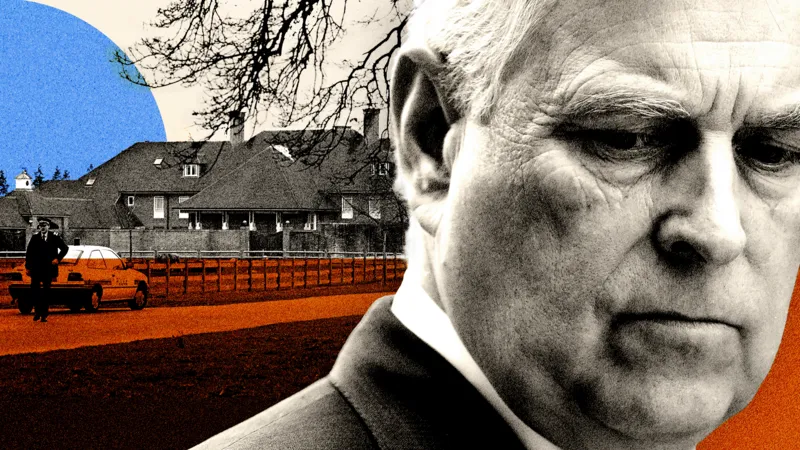
The Mansion and Its Sale
When the house first went on sale in 2001, it failed to attract buyers. Prince Andrew later personally sought potential buyers during an official trip to Bahrain in 2003. Eventually, the sale connected to Kazakhstan, where Andrew had become the patron of the British-Kazakh Society in 2002.
Andrew met Kulibayev through Kazakh socialite Goga Ashkenazi, who previously had a relationship with the oligarch. In June 2007, Andrew and Ashkenazi were photographed attending Ladies Day at Ascot with the Queen, and shortly after, the purchase contracts for Sunninghill Park were exchanged. Kulibayev bought the mansion through his offshore company, Unity Assets Corporation, with Farrer & Co acting for the sale.
The deal completed in September 2007, coinciding with a UK taxpayer-funded £57,000 chartered flight for Prince Andrew to Kazakhstan as a trade envoy. At that time, the UK government was raising concerns over widespread corruption in Kazakhstan. Despite this, neither Andrew nor Buckingham Palace disclosed the buyer’s identity until three years later.