Inflation in the United States slowed in January, giving policymakers and markets fresh signals about the direction of interest rates.
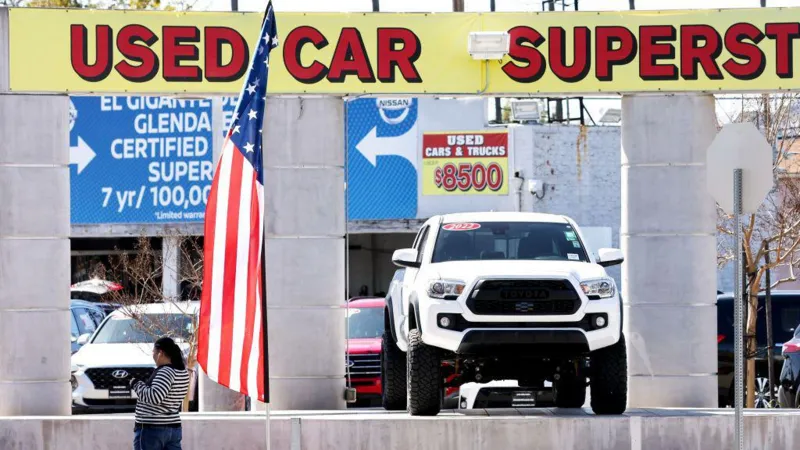
The Consumer Price Index rose 2.4 percent over the past 12 months, according to the US Labor Department. That marked a drop from 2.7 percent in December and the slowest annual pace since May. Lower energy costs and falling used car prices helped pull the figure down.
Energy and Used Cars Drive the Slowdown
Energy prices eased during the month, reducing pressure on household budgets. Used car prices also declined, which made a noticeable difference in the overall inflation rate.
When analysts removed food and energy from the data, commodity prices remained mostly steady. For now, economists see little evidence that tariffs have pushed prices higher.
Neil Birrell, chief investment officer at Premier Miton Investors, said the January figures could support the case for an earlier interest rate cut. He added that the full impact of tariffs remains unclear. He also pointed out that seasonal factors may have influenced the latest numbers.
Strong Economy Supports Rate Cut Debate
The latest inflation data adds to a broader picture of economic strength. Recent reports showed stronger than expected job growth. The labor market appears firm, and economic growth remains solid.
Supporters of President Donald Trump argue that the cooling inflation rate gives the Federal Reserve room to lower interest rates. The White House welcomed the report and credited the administration’s policies for easing price pressures.
Financial markets reacted calmly. Investors currently expect the Federal Reserve to begin cutting rates in June.
Atakan Bakiskan, US economist at Berenberg, said the year has started on a positive note for Fed officials. However, he warned that risks remain.
Risks Remain Despite Cooling Inflation
Some analysts believe labor shortages could push wages higher in the coming months. If companies raise pay to attract workers, service sector prices may increase. That could slow progress toward the Federal Reserve’s 2 percent inflation target.
The central bank has missed its 2 percent goal for nearly five years. Even with January’s improvement, officials must decide whether inflation will continue to ease or level off.
For now, the data suggests that price growth has stabilized. The coming months will show whether this trend continues or new pressures emerge.