
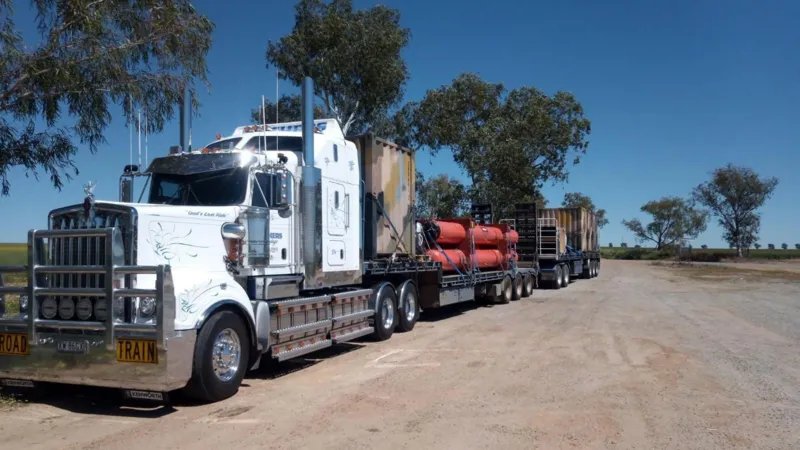
The Fuel Crisis Has Hit Transport Hard
Fuel prices in Australia are at record levels. Diesel is a major component of the freight industry, which relies heavily on it to operate long distance transport.
Transport operators report that their expenses have increased dramatically since the tensions surrounding the Iran conflict drove global oil prices higher. The impact on businesses who rely heavily on heavy vehicles has been intense and immediate.
The Government urges the public to reduce fuel consumption
In a rare television message, Prime Minister Anthony Albanese spoke to the nation. He recognized the insecurity and asked that citizens limit their fuel consumption where they could.
He encouraged the public to take advantage of public transportation so as to ensure that there is fuel available for industries and services.
Truck operators struggle to stay afloat
The message is not a comfort to many people in the transportation sector. Businesses are finding it difficult to keep up with rising costs.
A driver explained that in order to remain afloat, he spends a lot of time on his finances. He tracks his income, tyres and fuel costs.
Filling up a tank on a truck used to cost about A$3,600.
The same tank filling costs around A$7.500. The sharp rise in operating costs has reduced profits and doubled the cost of doing business.
Long routes add more pressure
Companies that operate in remote locations face greater challenges.
Some trucks cross the Nullarbor plain, an isolated and vast stretch of land.
The route connects Ceduna with Norseman.
There are few fuel stations and long distances between them. Some drivers are forced to travel 200km without fuel in some regions.
Fuel planning is critical in these conditions. Fuel planning is critical in these conditions.
Industry stability threatened by rising costs
Diesel prices are continuing to rise, putting pressure on transport.
Now, many businesses wonder how much longer they will be able to continue in this environment.
If fuel prices are not stable, there may be delays or closures of freight companies.
It could have a negative impact on supply chains, and raise costs for all consumers.