
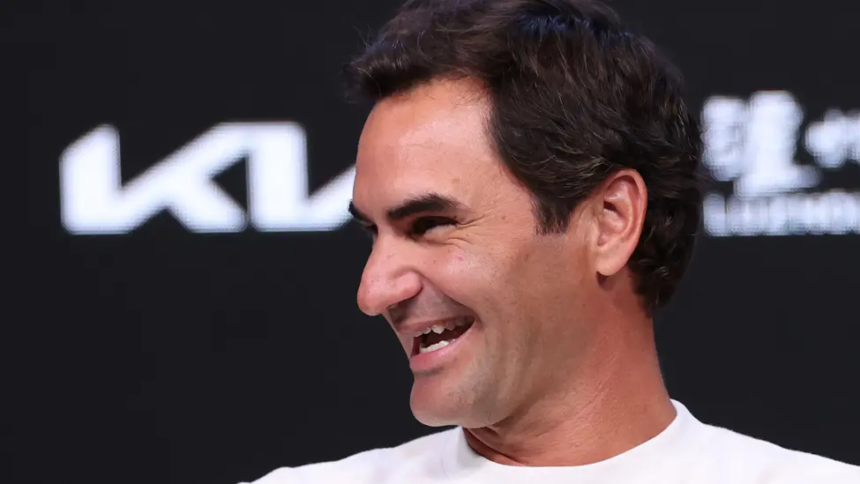
Roger Federer famously called the Australian Open the “Happy Slam,” and it has largely lived up to that reputation. The first Grand Slam of the year continues to draw huge crowds and fan admiration. New initiatives, like this year’s One Point Slam, have brought extra excitement to tennis. But there have been some challenges recently.
Innovations and Festival Vibes
The Australian Open has evolved beyond a simple tennis tournament. Pre-tournament weeks now feature star-studded events, opening ceremonies, and exhibition matches with big names like Novak Djokovic, Aryna Sabalenka, and Federer himself.
Tournament director Craig Tiley calls this approach the “festivalisation” of tennis. Music acts, fine dining, and family-friendly events have transformed Melbourne Park into what some call the “Glastonbury of tennis.” Headliners like Peggy Gou and The Kid Laroi attracted thousands of fans, blending sports with entertainment.
Tiley believes this broader appeal strengthens the Australian Open, helping it compete with Wimbledon, the US Open, and the French Open in both prestige and commercial success.
Growth Under Craig Tiley
Since joining Tennis Australia in 2005, Tiley has driven major growth. He previously transformed college tennis in the US into a spectacle, adding bands, gifts, and themed events. Now, at Melbourne Park, his influence is visible everywhere.
The tournament welcomed nearly 1.4 million fans this year, a 16% increase from last season. Six showcourts, including the repurposed John Cain Arena, now host matches, concerts, and exhibitions. Despite its massive scale, space is still limited, leading some to criticize ticket overcrowding.
Player Experience Remains Key
Despite the festival atmosphere, the Australian Open continues to prioritize players. High-tech racquet labs, physiotherapy, nutritionists, beauty services, and even on-site banks ensure athletes have everything they need. Record prize money of £55 million also keeps top talent motivated.
Federer noted that players enjoy escaping the European winter and starting the year in Melbourne. Still, some athletes have raised concerns about too many behind-the-scenes cameras and want a fairer share of revenue from the tournament.
The Road Ahead
Tiley’s possible move to the United States Tennis Association raises questions about the Open’s future direction. His vision includes immersive tech experiences and potential rule changes, such as longer women’s matches. How the Australian Open evolves in the next few years will shape whether it maintains its “Happy Slam” reputation.