
The Bangladesh Nationalist Party (BNP) has secured a sweeping victory in the country’s first general election since the 2024 Gen Z-led protests that ousted Prime Minister Sheikh Hasina. The center-right party won more than two-thirds of the parliamentary seats, while the Islamist party Jamaat came in second. Hasina’s Awami League was barred from participating.
Tarique Rahman Set to Become Prime Minister
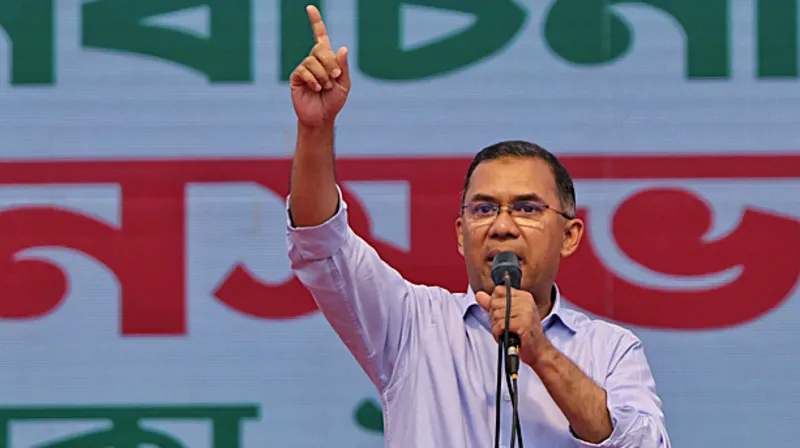
BNP leader Tarique Rahman is expected to take office as Bangladesh’s next prime minister. In his first speech to supporters in Dhaka, he expressed gratitude, urging citizens to attend prayers instead of street celebrations in memory of his late mother, former PM Khaleda Zia, who passed away in December. Rahman spent 17 years in self-imposed exile in London before returning five days before his mother’s death. This will also be his first time serving as a member of parliament.
He was elected from the Dhaka-17 and Bogra-6 constituencies. Overall, 212 BNP candidates won seats, according to the Election Commission, with voter turnout at 59.44%.
Historic Election Changes
This election marked several firsts. With the Awami League banned, Jamaat emerged as one of the main parties competing for power. The student-led National Citizen Party (NCP), born from the 2024 protests, won six seats within Jamaat’s alliance. The absence of both Sheikh Hasina and Khaleda Zia, who dominated politics for decades, also highlighted a shift in Bangladesh’s political landscape.
The Awami League has questioned the election’s legitimacy, while Jamaat raised concerns about voting irregularities. Both parties accused each other of misconduct during the election process.
Key Challenges for the New Government
Rahman faces significant hurdles. Restoring democracy, reviving the economy, controlling rising food prices, and creating jobs for the country’s large youth population are top priorities. Additionally, repairing strained relations with neighboring India will be crucial.
India’s Prime Minister Narendra Modi quickly congratulated Rahman, calling his win a “remarkable victory” and affirming India’s commitment to peace, progress, and prosperity for both nations.
A Mixed Legacy
Although BNP promises change, the party faces scrutiny over past corruption allegations and human rights violations during its previous tenure in the early 2000s. Analysts note that Rahman’s leadership style and ability to deliver reforms will be closely watched both domestically.