Beijing Pushes for De escalation and Safe Maritime Routes
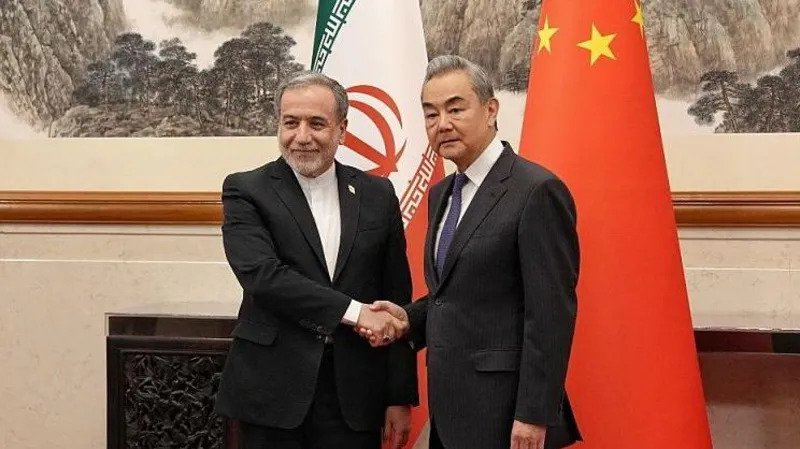
China has called for the Strait of Hormuz to reopen as quickly as possible during high level discussions with Iran. Chinese Foreign Minister Wang Yi made the appeal in Beijing during talks with Iranian Foreign Minister Abbas Araqchi. This was Araqchi’s first visit to China since the Iran war began.
Wang Yi stressed that reducing tensions is now an urgent priority. He said a lasting ceasefire must be achieved and both sides should continue negotiations instead of returning to conflict. China also expressed readiness to support efforts aimed at calming the situation.
Focus on Peace Talks and Regional Stability
During the meeting, Wang Yi highlighted that reopening negotiations is essential for long term stability. He encouraged all parties to avoid further escalation and return to diplomatic solutions. Chinese officials said Beijing supports dialogue between Iran and other global powers, including the United States.
China also stated that it appreciates Iran’s position against developing nuclear weapons. Iranian officials, in return, said cooperation between China and Iran will continue to grow stronger in the coming years.
Strait of Hormuz and Global Energy Concerns
The Strait of Hormuz remains one of the most important oil transport routes in the world. It has faced disruptions due to ongoing tensions, including restrictions placed by both Iran and the United States.
China emphasized the importance of keeping this route open for global trade. Wang Yi said the international community expects safe and normal navigation to be restored as soon as possible.
Beijing also criticized actions that restrict maritime access, calling them harmful to fragile peace efforts in the region.
China Energy Dependence and Diplomatic Role
China remains one of the largest buyers of Iranian oil, despite existing sanctions from the United States. In 2025, China imported around 1.38 million barrels of crude oil per day from Iran, which accounts for a significant share of its total imports.
Because of this dependence, stability in the Strait of Hormuz is a major concern for Beijing. Chinese leaders have taken a cautious diplomatic approach and continue to encourage negotiations instead of military escalation.
Global Political Context
The discussions come shortly before a planned meeting between the United States president and China’s leadership. The Iran conflict and security of global shipping routes are expected to be part of those talks.
Former remarks from the United States leadership suggested that China has not directly challenged US positions in the region. However, tensions around maritime security and energy supply remain a key global concern.