Middle East Crisis Affects Firozabad’s Glass Industry
A conflict in the Middle East is now affecting life in Firozabad, a glass manufacturing city in India. The city makes 70% of the country’s glass and has thousands of workers and small factories.
The entire system is under pressure.
Gas Shortage Slows Down Production
Glass production needs a flow of natural gas. Furnaces must stay hot to keep operations going.
Due to disruptions in energy supply routes especially through the Strait of Hormuz gas availability is uncertain. Prices have gone up. Supplies have tightened.
The government has reduced gas supply to manage the shortage. This has directly affected factory output.
Factory Owners Struggle
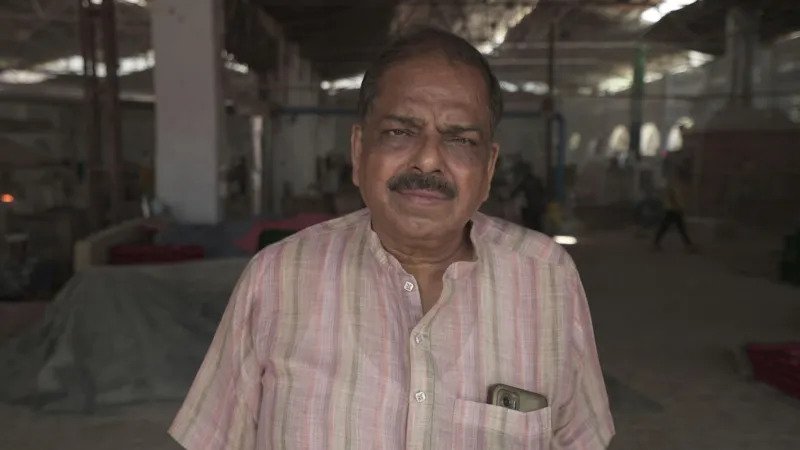
Sanjay Jain, a factory owner says his production has dropped. He runs furnaces at temperatures and pauses work for a few days a week to save gas.
This helps conserve fuel. It also reduces output. Restarting furnaces is costly so shutting them down is not an option.
Many factory owners face the challenge.
Workers Face Income Pressure
The industry employs around 150,000 workers. Most earn between 500 and 1,000 rupees per day. These wages leave room for rising costs.
With production slowing many workers are worried about income and job stability. A prolonged crisis could make things worse.
Rising Losses Across the Industry
Firozabad has over 400 manufacturing clusters. These units make items like bangles and lighting products.
Since the conflict began some businesses have reported losses between 25% and 40%. Owners say they are unsure how long they can continue if gas supply issues persist.
A Growing Risk for Industrial Towns
India relies heavily on gas for industries, transport and homes. This makes industrial hubs like Firozabad vulnerable, to disruptions.
If supply chains remain unstable the impact could spread beyond Firozabad. Affect multiple sectors.