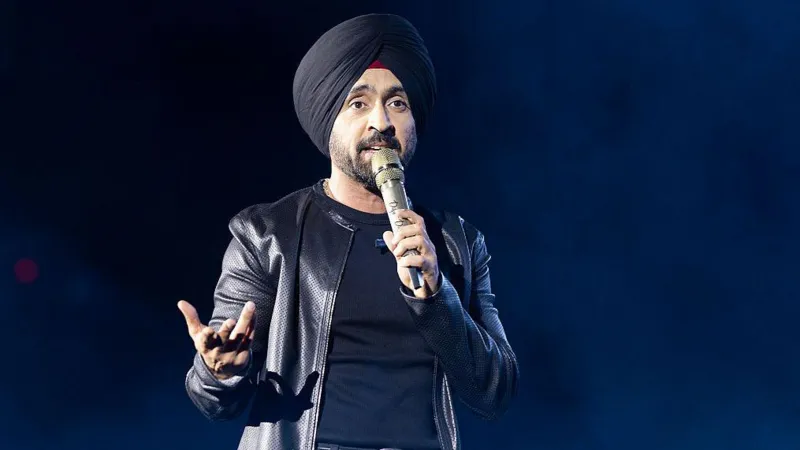
The sudden removal of Diljit Dosanjh’s latest film Satluj from a streaming platform has started a nationwide debate. The movie became available online on Friday but disappeared just two days later. The unexpected decision has raised questions about censorship, freedom of expression, and the film’s sensitive subject.
The movie is inspired by the life of Jaswant Singh Khalra, a well known human rights activist from Punjab. It tells the story of his efforts to uncover alleged human rights violations during one of the most difficult periods in India’s modern history.
Satluj Was Removed Soon After Its Release
Satluj premiered on the streaming platform ZEE5 after facing years of delays. However, viewers could only watch it for two days before it was removed from the platform in India.
The streaming service announced that the film would remain unavailable until further notice because of ongoing developments. However, it did not explain the exact reason behind the decision.
According to the film’s production team, the movie was taken down following government instructions. Officials have not released a public statement explaining the removal.
As a result, Satluj is no longer officially available for streaming in India.
Why Was the Film Delayed for So Long?
The film was completed in 2022. Even after production ended, it never reached cinemas because of a lengthy dispute with India’s film certification authorities.
Instead of receiving a theatrical release, the filmmakers waited for an opportunity to release it online. Although it finally became available, its streaming run lasted only two days.
What Is Satluj About?
The story follows Jaswant Singh Khalra, a human rights activist who investigated allegations of enforced disappearances and secret cremations during Punjab’s separatist insurgency.
The conflict lasted from the early 1980s until the mid 1990s. During that period, Sikh militants demanded an independent Khalistan, while Indian security forces launched large scale operations to stop the violence.
Human rights organizations claimed that many people disappeared after being taken into custody. They also alleged that some victims were cremated without informing their families or keeping proper official records.
Government authorities rejected these allegations and argued that strong security measures were necessary to end the insurgency.
While investigating these claims, Khalra continued gathering evidence despite serious risks. In 1995, he disappeared under mysterious circumstances. Investigations later concluded that he had been abducted and murdered. Several Punjab police officers were eventually convicted for their involvement in his killing.
Diljit Dosanjh Reacts to the Film’s Removal
Diljit Dosanjh later spoke about the incident during a live social media session.
He said he had expected the film to face restrictions but believed it would happen after government offices reopened on Monday. Instead, the film disappeared from the platform on Sunday evening.
The actor also explained why the filmmakers kept promotional activities to a minimum. He said they feared heavy promotion might prevent the film from being released altogether.
Despite the sudden removal, Dosanjh expressed satisfaction that audiences finally had the chance to watch the film after waiting for several years.
The Film Received Strong Reviews
Although Satluj remained available for only a short time, it received praise from film critics. Many appreciated its storytelling, performances, and emotional portrayal of a sensitive historical subject.
The film has also renewed public discussion about artistic freedom, historical accountability, and the challenges filmmakers face when presenting controversial events on screen.
Why the Controversy Matters
The removal of Satluj has become more than just a film related issue. It has reopened conversations about censorship, freedom of expression, and the right to tell stories based on historical events.
Supporters believe the film highlights an important chapter of Punjab’s history, while others argue that such sensitive topics require careful handling. Until an official explanation is provided, questions surrounding the film’s removal are likely to continue.