Recovery Brings Hope in Ituri Region
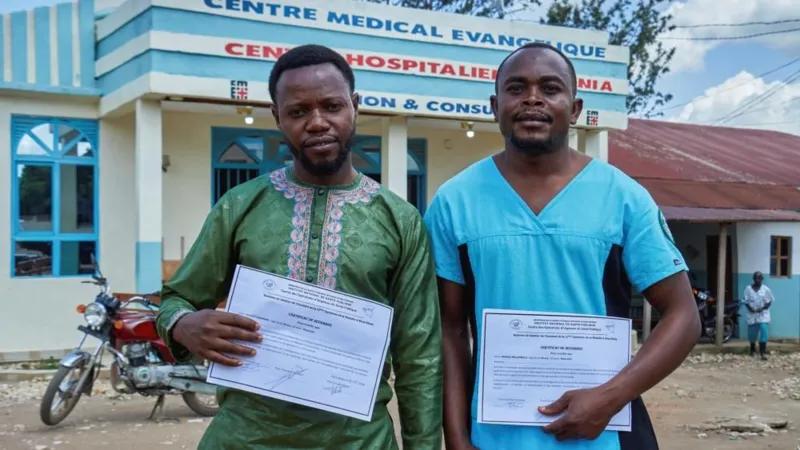
Health officials in the Democratic Republic of Congo report a positive step in the current Ebola outbreak. Five patients, including four nurses, have fully recovered and left hospital care in Bunia, the capital of Ituri province.
The survivors were honored during a small ceremony after their recovery. The World Health Organization chief, Tedros Adhanom Ghebreyesus, praised their strength and dedication during the outbreak response. He highlighted that early treatment and quick detection can save lives even in serious outbreaks like this one.
Health Workers at Higher Risk
Medical staff have been among the most exposed groups during this outbreak. Many nurses and frontline workers have contracted the virus while caring for patients.
One recovered nurse shared how difficult isolation was during treatment. He explained that fear and uncertainty made the experience extremely challenging, especially knowing how severe the illness can be.
Despite these risks, health workers continue to return to duty. Officials say their commitment plays a key role in controlling the spread of infection.
Outbreak Situation and Community Challenges
The current outbreak linked to Ebola virus disease is believed to have caused nearly 250 deaths so far. Health authorities stress that recovery is possible when patients receive care early.
In Democratic Republic of the Congo, response teams are focusing on early detection, contact tracing, and medical support. These steps are helping more patients recover.
However, health teams also face resistance in some communities. Some residents have attacked treatment centres due to burial practices that restrict direct handling of bodies. These rules are in place to reduce infection risk but often conflict with local traditions.
Trust and Cooperation Are Key
The World Health Organization and national health authorities are urging communities to work closely with medical teams. Officials say trust is essential for controlling the outbreak.
Tedros Adhanom Ghebreyesus from the World Health Organization said community cooperation is central to stopping the spread. He emphasized that success depends on shared responsibility between health workers and local residents.
Authorities also confirmed that strong field response efforts are helping reduce transmission and improve survival rates.